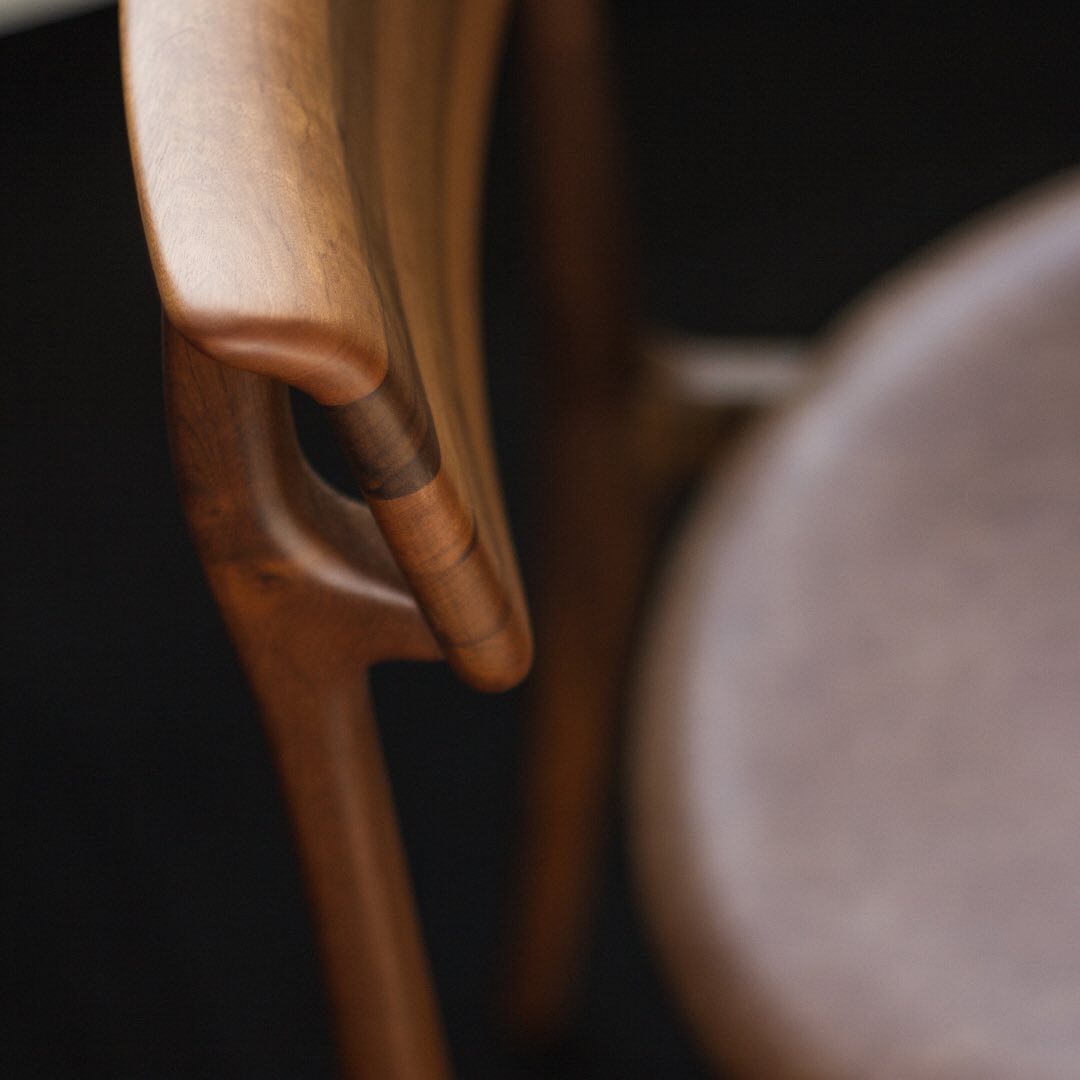
Casegoods and Veneer
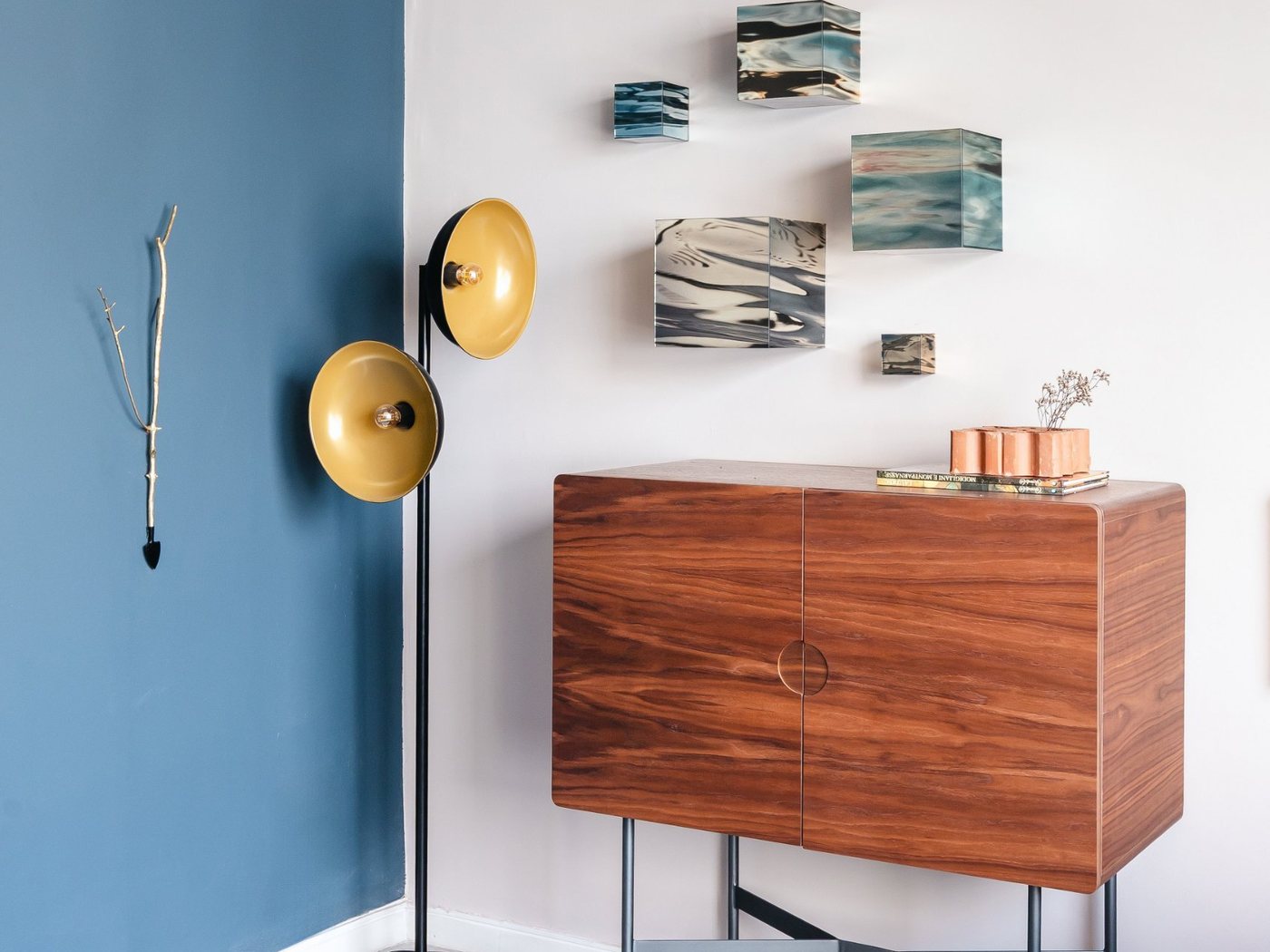
Storage, cabinetry, wardrobes, vanities and panel work with a veneered face.
What decides it
The match across a surface is the whole job.
The match across a surface is the whole job. A veneer programme lives or dies on lot control: the leaf that made the approved sample came from one flitch, and the production run will not. Composite cores also pull the product into formaldehyde rules that solid timber does not trigger, which catches buyers who assumed a wooden piece was all wood.
Why the piece is worth having
Veneer here is used expressively rather than as a cheaper surface. Brazilian modernism built case pieces where the grain runs continuously across doors and drawers, and the factories that still do that work keep the leaf sequencing and the matching discipline it needs.
Where Brazil does not win
Not on price or scale. China and Poland run panel and veneer operations far larger than anything in Brazil, and for a plain melamine or standard veneer programme they win on cost into most destinations. Inside Mercosur the duty and the freight close part of that gap. Brazil's case is the work where the match across a surface matters more than the unit price.
Where it is made
Santa Catarina and Paraná.
Minimum order
Across our network, a first order usually starts somewhere between USD 10,000 and 20,000. That is a planning figure, not a quote: it moves with the manufacturer, the category, the complexity of the piece and the production run behind it. Some factories go lower for a first trial, others will not open an account below a container. That is the arithmetic of production from a factory. Where the work is authored or an edition, bought from a studio or a gallery rather than off a production line, the minimum is set by the piece rather than by the run, and the figures above do not apply.
What to ask on the first call
A vague answer to any of these is itself an answer.
- How many flitches will this run take, and what is your tolerance for colour and figure between them?
- What is the core, and do you hold a formaldehyde certificate at product level rather than only at company level?
- Which parts of this piece are not solid wood, and where does that become visible?
Insights
Guides in this category
3 guides.