Rugs
Woven and tufted floor coverings, sourced alongside or independently of a furniture programme.
What decides it
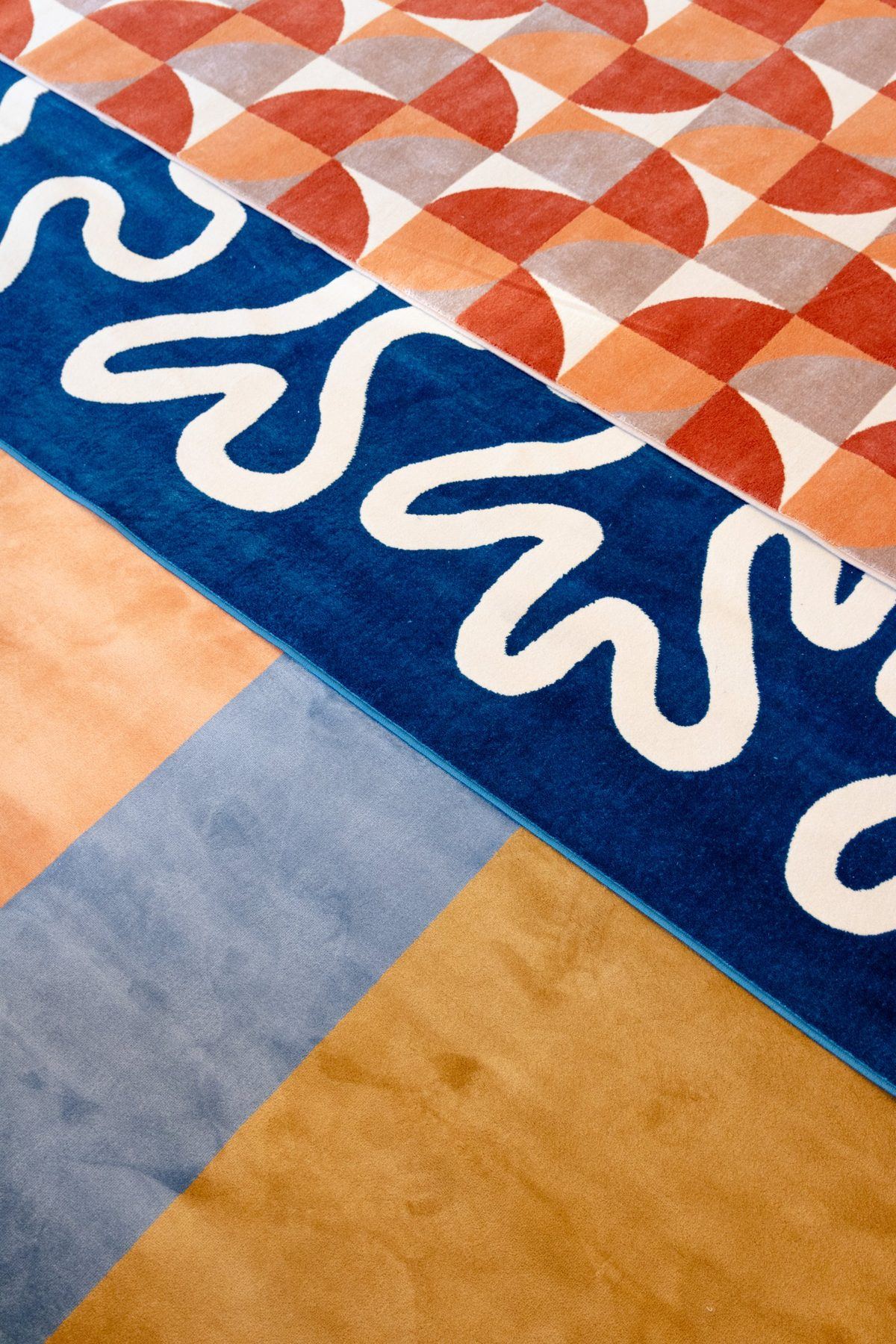
Consistency across a dye lot, and what the backing is doing.
Consistency across a dye lot, and what the backing is doing. A rug approved from a single sample is approved from a single dye bath, and the second run will not match it unless the tolerance was agreed in writing first. Pile retention and shedding show up after delivery rather than at inspection, which makes the construction specification more important than the look of the sample.
Why the piece is worth having
Less than in the categories above, and we would rather say so. Brazil is not a rug origin of scale and the design case is thinner. What is here is one qualified maker and the practical value of keeping a programme on one continent.
Where Brazil does not win
Not against India, which ranks first in the world in handmade carpets by both value and volume, nor against Turkey. This one holds wherever you are shipping, because it is a concentration of craft rather than a freight or tariff advantage. Brazil is not a rug origin of scale and we will not pretend otherwise. We work in the category because a furniture programme often needs it, with one qualified maker.
Where it is made
We work with a rug maker that has passed a global retailer's own factory audit.
Minimum order
Across our network, a first order usually starts somewhere between USD 10,000 and 20,000. That is a planning figure, not a quote: it moves with the manufacturer, the category, the complexity of the piece and the production run behind it. Some factories go lower for a first trial, others will not open an account below a container. That is the arithmetic of production from a factory. Where the work is authored or an edition, bought from a studio or a gallery rather than off a production line, the minimum is set by the piece rather than by the run, and the figures above do not apply.
What to ask on the first call
A vague answer to any of these is itself an answer.
- What is your tolerance for colour variation between dye lots, and will you put it in the specification?
- What is the backing construction, and what does it do after a year on a heated floor?
- Which destination standards have you been tested against, and can I see the report rather than the claim?
Insights
Related reading
We have not published a standalone guide for this category yet. These cover the ground closest to it.