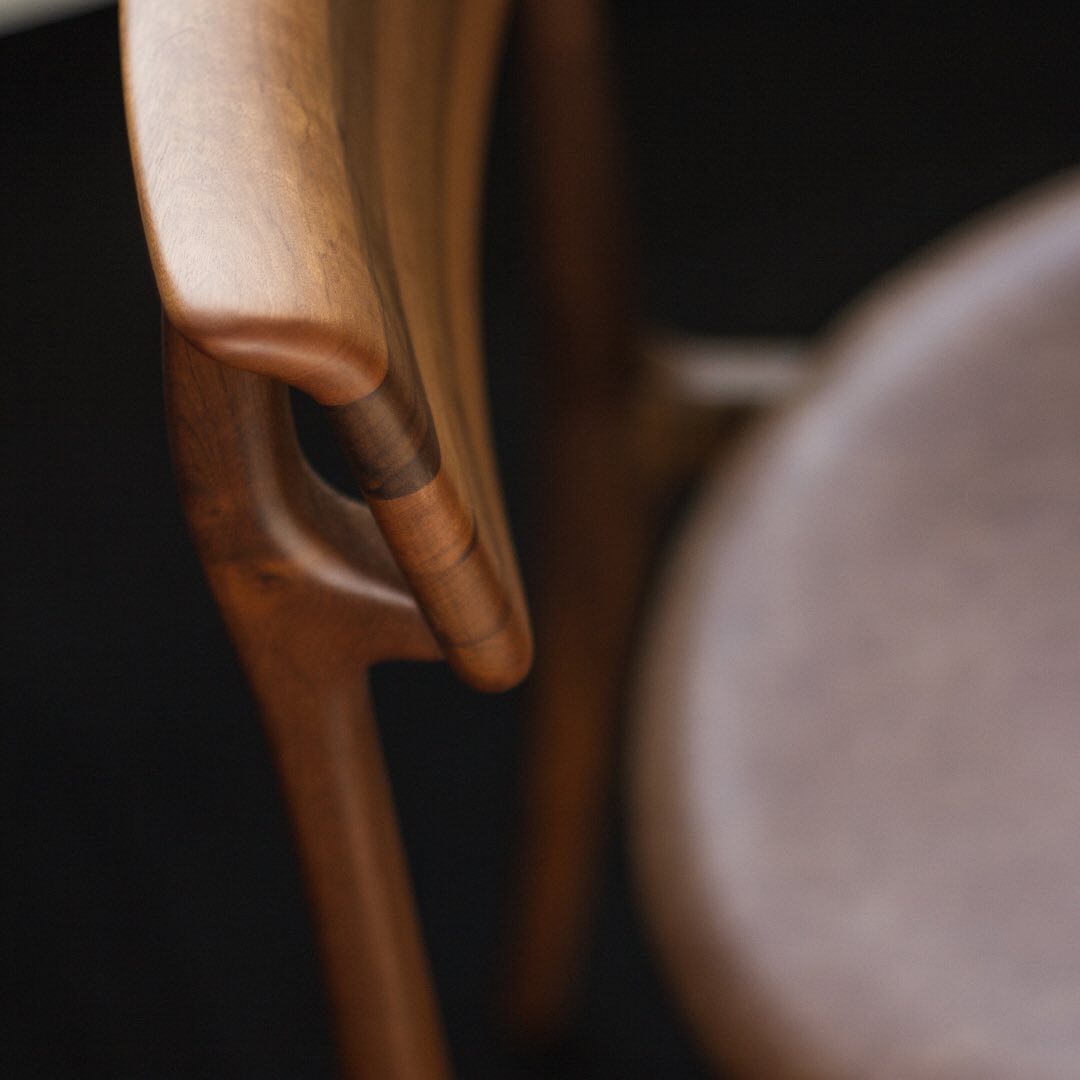
Leather
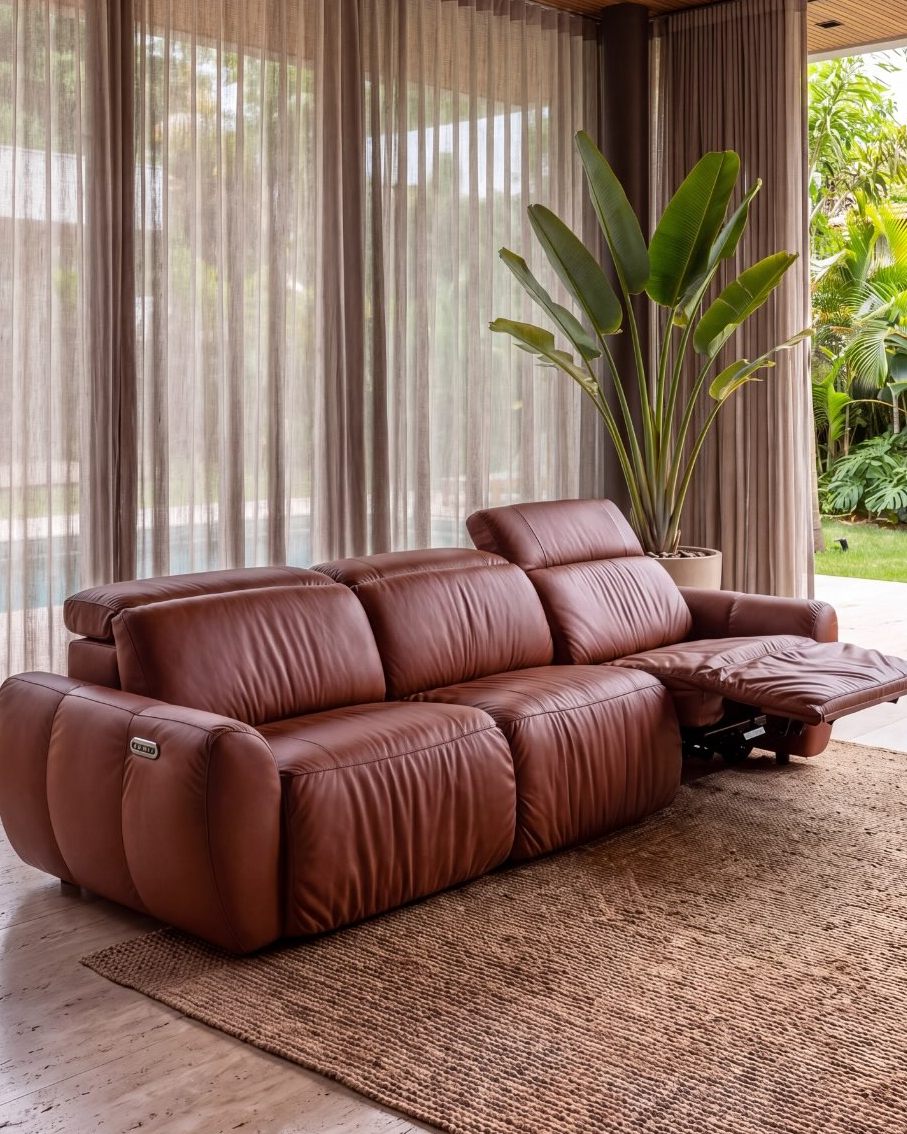
Leather sofas, armchairs and dining chairs, and leather specified as a material across a range.
What decides it
Hide grading and lot consistency, not the price per square foot.
Hide grading and lot consistency, not the price per square foot. Brazilian hides carry branding scars, barbed-wire marks and tick damage, which come from how the cattle were raised and not from the tannery, so the grade a factory quotes on and the grade it buys on a repeat order are often not the same. Full grain, corrected grain and split are all sold as leather and behave differently after two years. Cost follows the cutting yield on your pattern rather than the price of the hide. One thing changed in 2026: the European Commission adopted a delegated act removing cattle hides, skins and leather from the scope of the EU Deforestation Regulation, so a leather cover no longer needs EUDR geolocation data. The wooden frame underneath it still does.
Why the piece is worth having
Brazil processes around 40 million bovine hides a year across roughly 214 tanneries and is among the three largest leather exporters in the world, selling into about 80 countries. For a furniture buyer the number that matters is proximity rather than volume. The Vale dos Sinos has been tanning for more than a century a few hours from the upholstery plants of the Serra Gaúcha, so leather specified here is specified where it is finished, not imported into the place where it is cut and sewn. That shortens the loop when a lot comes in wrong.
Where Brazil does not win
Not at the top of the market against Italy, where Tuscan vegetable tanning and the finishing houses behind it hold a position Brazil does not contest, and not on price against China or India. The country's own export mix moved in 2026: through September, leather exports were down 3.1 percent in value at US$814 million, with finished leather down 13 percent while crust rose 19 percent and salted hides rose 66 percent. Brazil is shipping more raw material and less finished leather, which does not remove the finishing capacity but does mean the tannery behind a programme has to be named rather than assumed. Into Latin America and the Caribbean the comparison inverts, because Italian and Asian leather arrives carrying the common external tariff and the freight that Brazilian goods do not.
Where it is made
Tanning is concentrated in the Vale dos Sinos in Rio Grande do Sul, the country's oldest leather cluster, with capacity also in São Paulo and the Centro-Oeste, closer to the herd. The upholstery plants that work in leather are mostly in Rio Grande do Sul and in Arapongas, Paraná.
Minimum order
Across our network, a first order usually starts somewhere between USD 10,000 and 20,000. That is a planning figure, not a quote: it moves with the manufacturer, the category, the complexity of the piece and the production run behind it. Some factories go lower for a first trial, others will not open an account below a container. That is the arithmetic of production from a factory. Where the work is authored or an edition, bought from a studio or a gallery rather than off a production line, the minimum is set by the piece rather than by the run, and the figures above do not apply.
What to ask on the first call
A vague answer to any of these is itself an answer.
- Which tannery supplies this hide, what grade is it, and is the grade written into the specification or only into the sample?
- Is this full grain, corrected grain or a split, and what cutting yield did you cost this pattern on?
- Show me the chrome VI result for the finished leather against the destination limit, and tell me what you do when a hide lot arrives with more scarring than the approved sample.
Insights
Guides in this category
3 guides.