26 to 29 January 2027
ABIMAD
São Paulo Expo, São Paulo

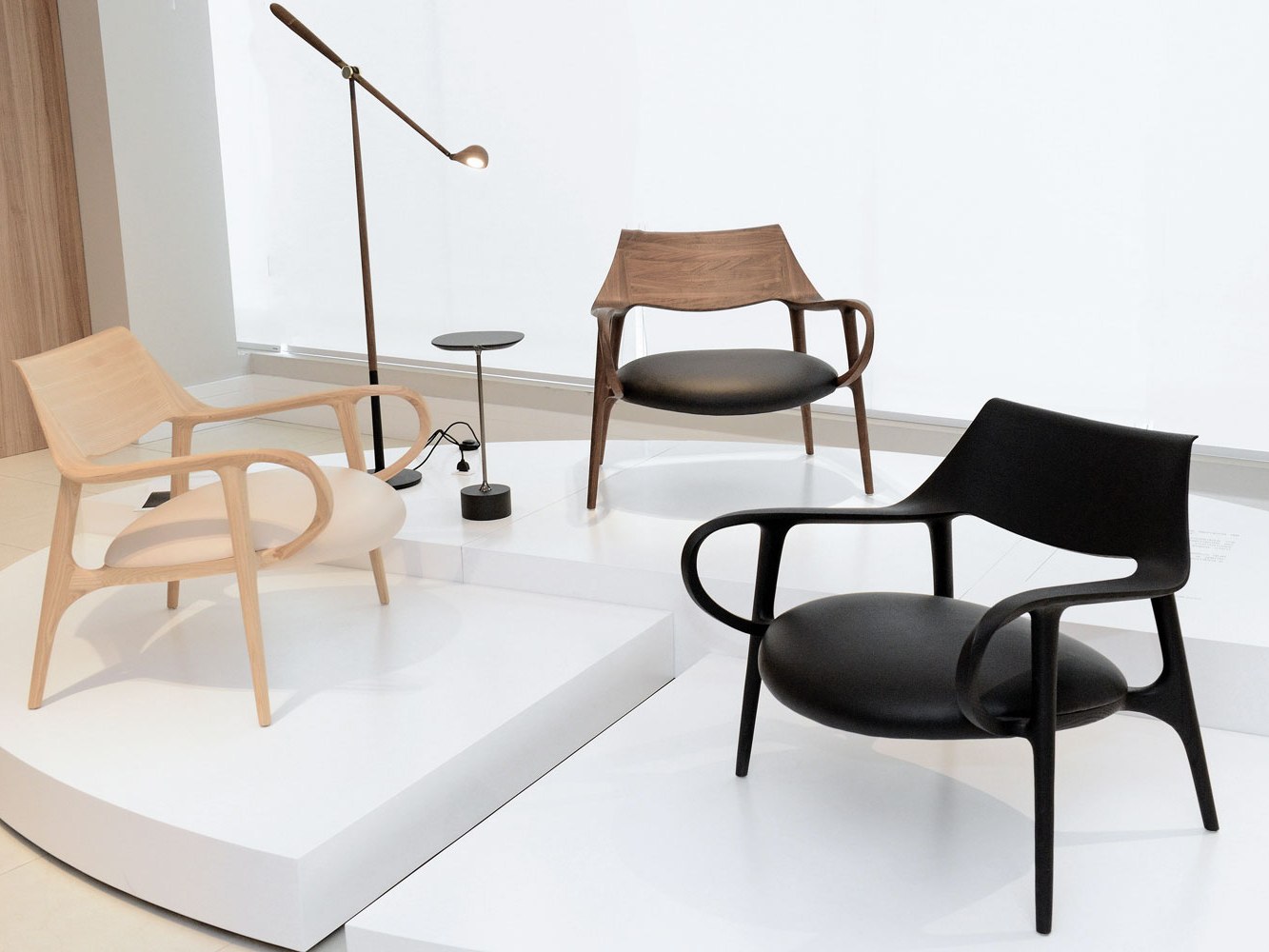
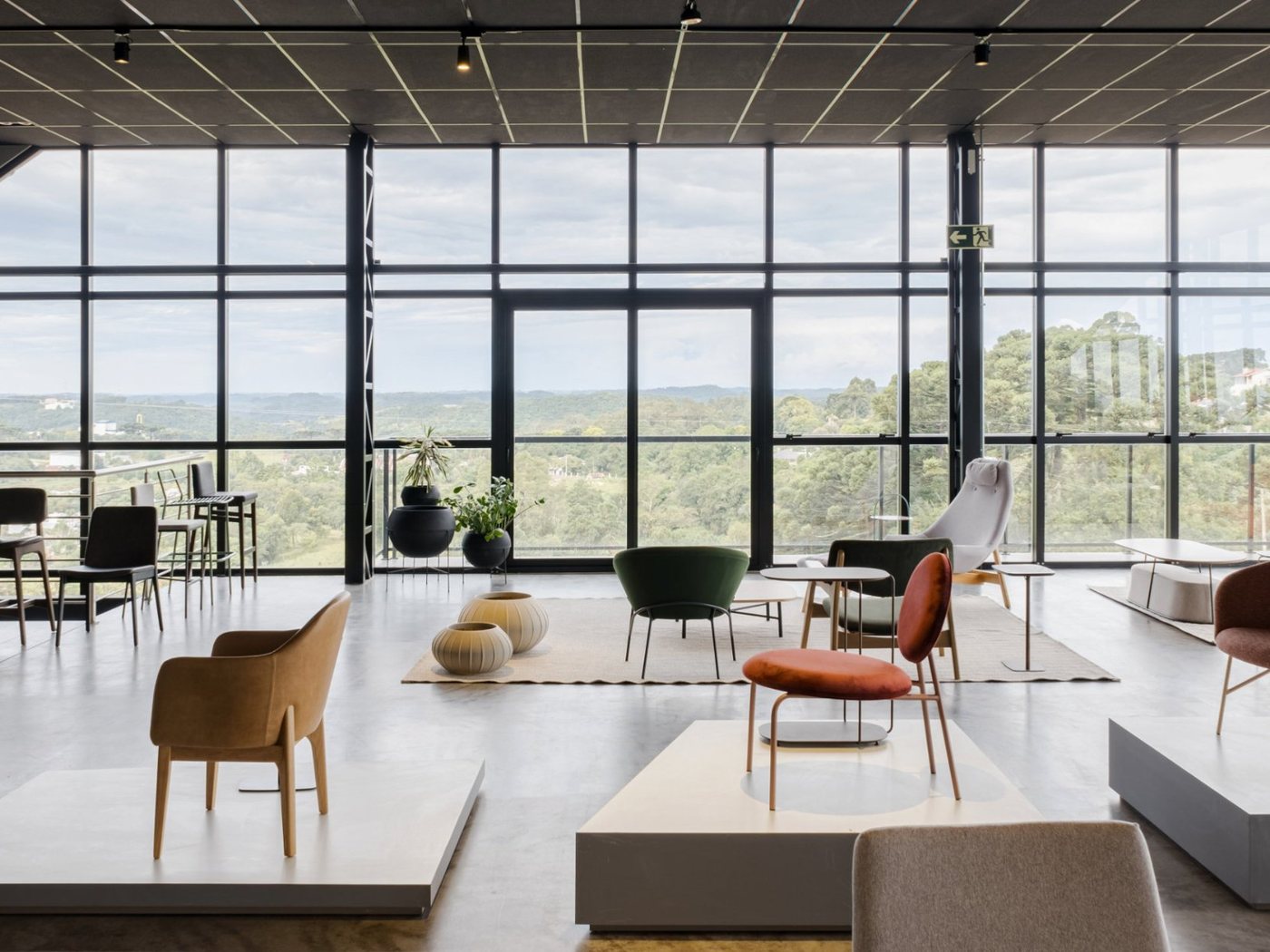
The high-decoration calendar, in its 43rd edition, run by the association of the same name. Furniture and accessories for the upper end of residential retail and interior design, and the fair where Brazilian design authorship is most visible. ABIMAD runs twice a year.
What it does not cover
It is not where you find volume manufacturing or a price-led programme. Exhibitors are brands rather than contract factories, and many sell through a domestic dealer network rather than exporting directly.
Export signal
Exhibitors that already export carry a Quality for Export seal on the stand, which means customs registration and export experience are in place. It is the fastest filter available to a foreign buyer walking the aisles.
Access
Trade only. Retailers, architects, decorators and designers, with advance registration and proof of profession. Not open to the public.
Best for
Design-led collections, high-decoration retail, interior design specification.
Cluster
Draws nationally, with a strong Rio Grande do Sul and São Paulo presence.