Design Scouting
In authored design, the studio is the supplier.
São Paulo is where Brazilian authored design is shown and where a good deal of it is made, in studios of five or ten people rather than plants of five hundred. The questions that decide whether a piece can become your product are not the questions you ask a factory, and most of them are answered in the room.
01What a studio visit reads that a factory visit does not
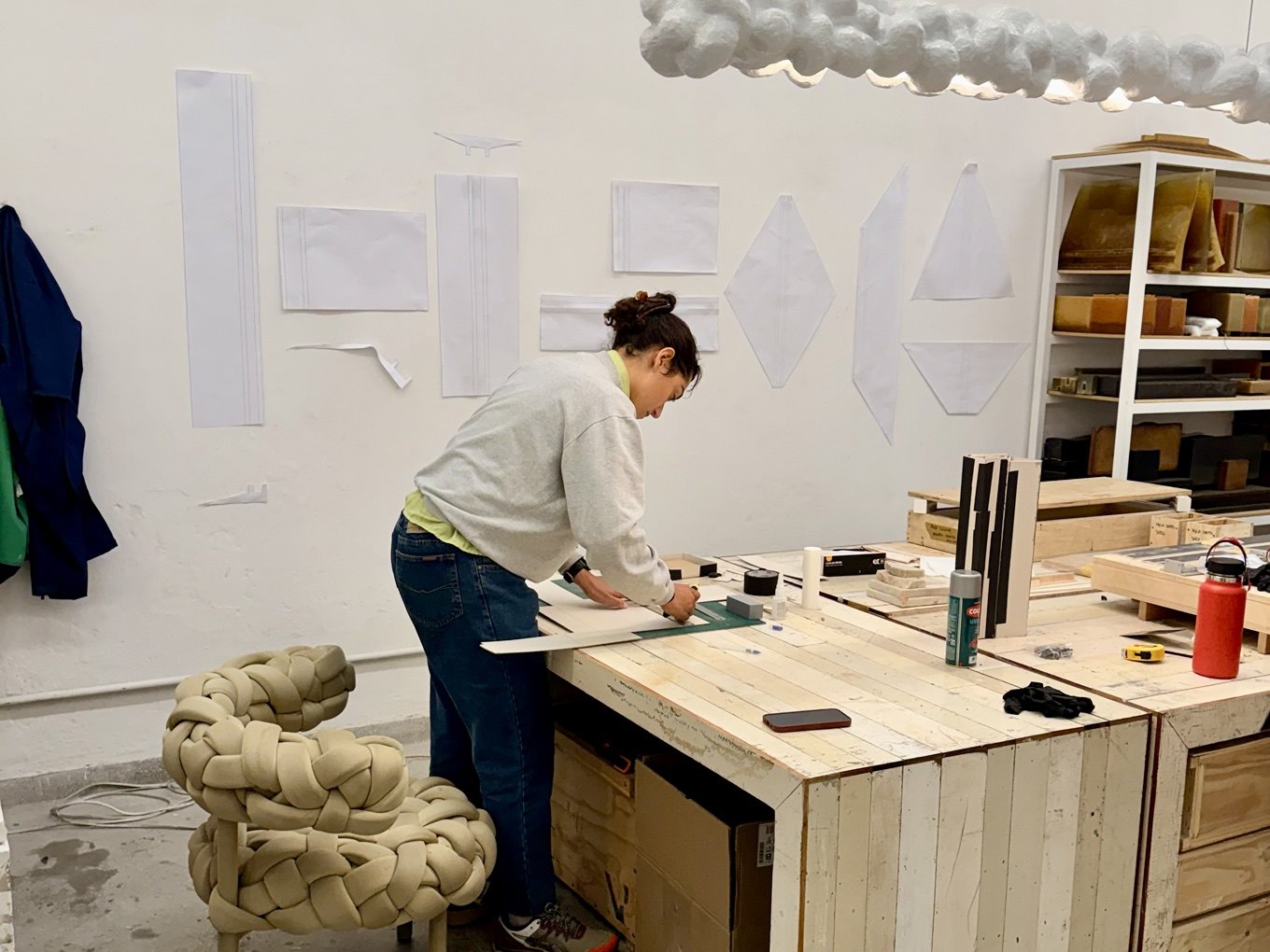
A factory is qualified once and bought from for years. A studio is not. It launches, it changes direction, it runs out of capacity, and the person whose hands make the difference may be the only person who can make it. So the reading is about the work and about the shop at the same time.
How much of the piece is hand and how much is machine, because that single line decides whether two hundred units are a production run or a fantasy. What the studio can actually sustain in a year. Whether it has ever supplied anyone at scale, and what happened. Whether it is willing to produce for a third party at all, which is a question of appetite rather than capability, and one you only get an honest answer to in person.
Where a piece cannot be made by the studio at your volume, the question becomes which Brazilian plant could, and what the design would have to give up to survive that move. That is the same work we do everywhere else, and it is why the two halves belong in one engagement.
02What you get
A shortlist built before anyone travels. We read your brief, work the longlist and decide who is worth a visit. You do not pick studios from a brochure, because walking twenty studios in order to see what turns up is a trip, not a method.
Visits to the studios that survive the shortlist, with you present or without you.
A written report, studio by studio: who they are and what they make, the pieces that answer your brief, what those pieces are made of and how, what the studio can sustain, and a verdict. Worth pursuing, worth watching, or not for you. The report is photographed rather than described, because this is a category you judge by looking.
Where a piece would need a licence, we say so and say what it covers. Drafting it is a lawyer's work and we do not pretend otherwise.




03How it usually continues
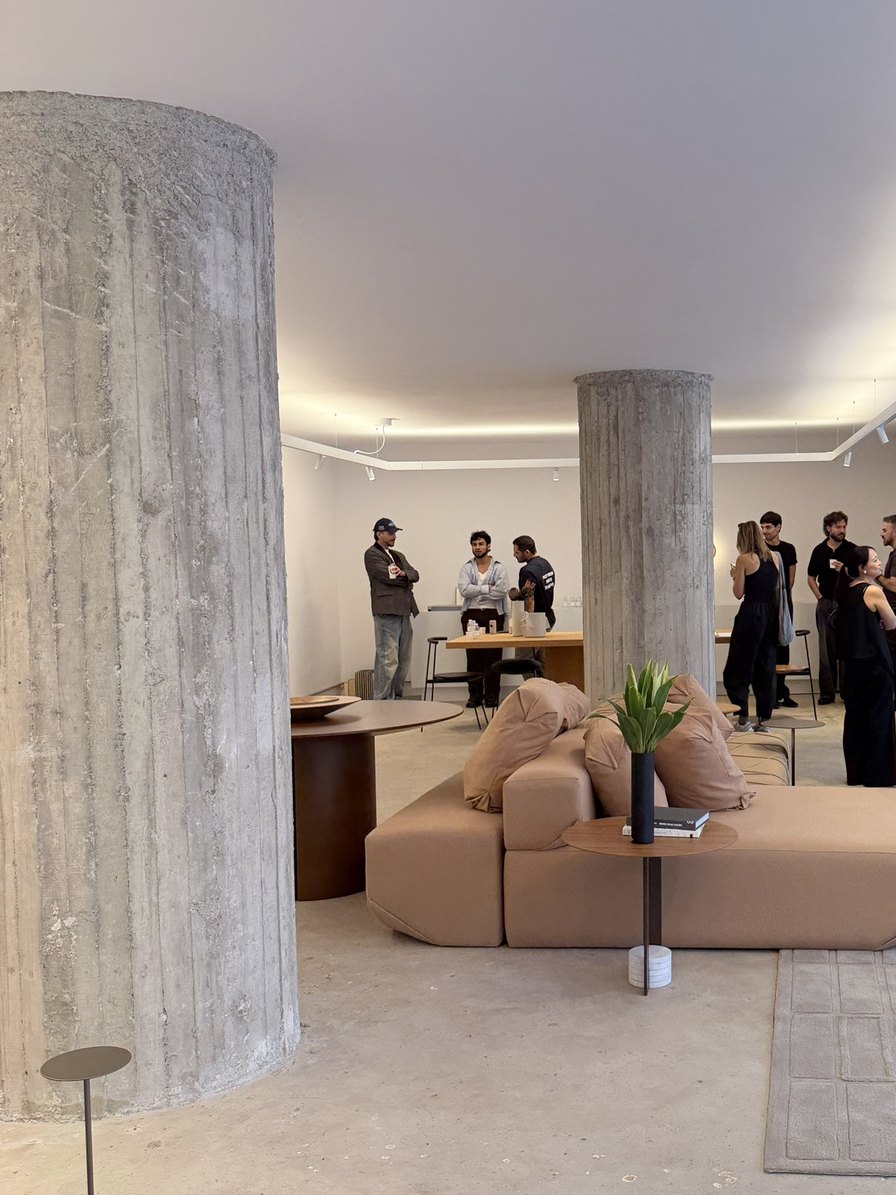
A factory you qualify once. A studio you follow. Collections move, capacity fills, and the studio that could not take your volume in March can take it in October. So this engagement tends to become a standing one rather than a single report, scoped per programme.
That is not a condition of the first engagement. The report stands on its own, including when its verdict is that none of the eight are right for what you are building.
04What this is not
It is not a tour. We decline studios that do not fit the brief, including ones that would be pleasant to include, because the shortlist is the product.
We do not represent designers and we do not take a position in the product. We are paid by the buyer, never by the studio, which is the same rule that governs everything else we do.
It is not legal work. Where authorship, licensing or an estate has to be settled, we say that it has to be settled and by whom. We do not settle it.

In practice
Palco’s suppliers were never going to be factories. They were the people whose names are on the work.
Palco is a Vista client. A New York company building a range of Brazilian design for buyers in North America, under the name palco.design.
Its suppliers are designers rather than plants, so the guided visit it bought was pointed at studios instead of factories, and that is where this engagement came from.
The scouting covered studios in São Paulo including Cris Bertolucci, Rain, Humberto da Mata and Estúdio Reyes. The work has since continued as a standing arrangement.
Published with Palco’s agreement.
In the room
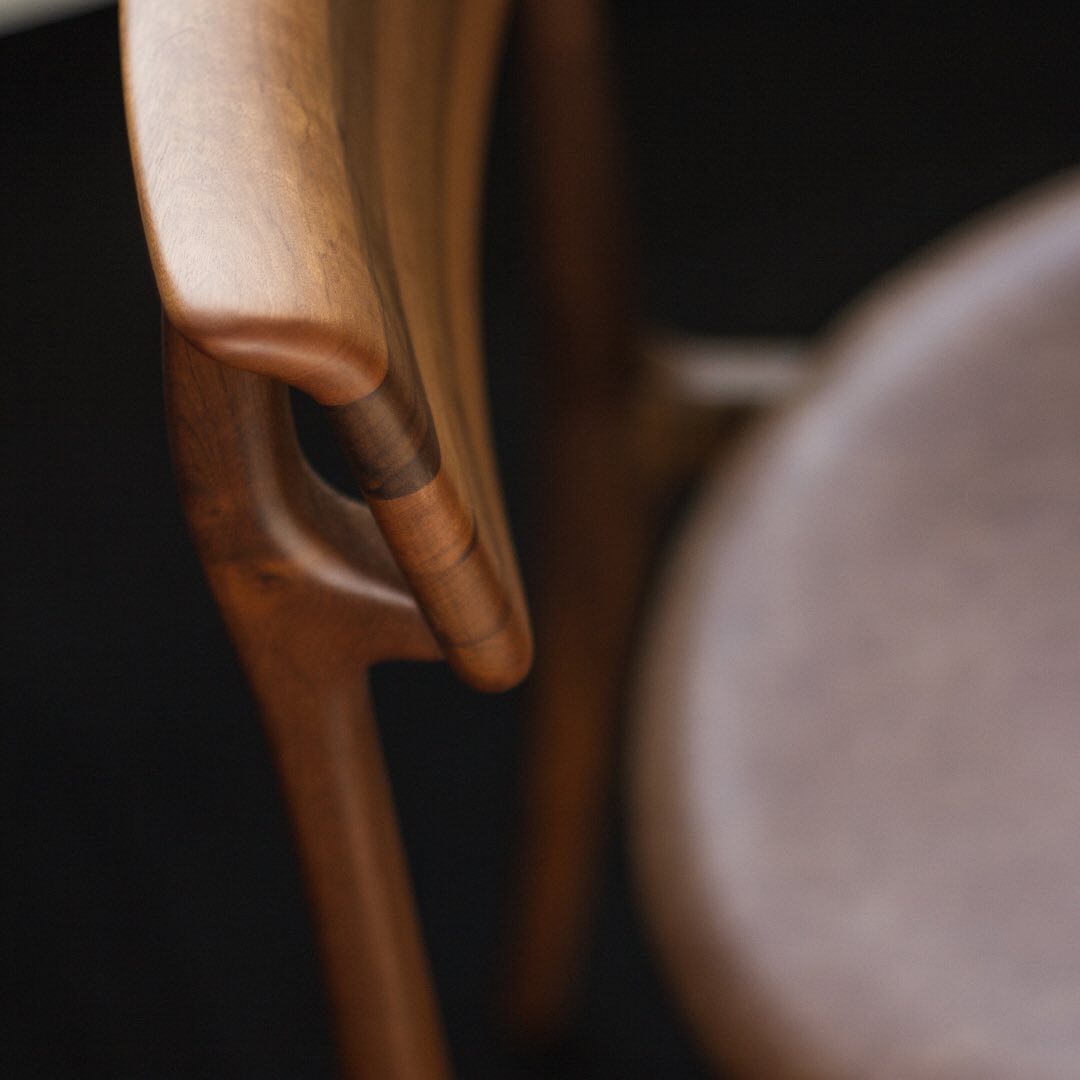
What a piece is made of is the first thing worth reading.
Work seen on scouting visits in São Paulo. The note under each one is the part a photograph can carry: material and execution.


05Worth reading first