Categories
Brazilian manufacturing is not one capability.
Solid wood specialists, upholstery houses and volume panel operations are different industries that happen to share a country. A factory that is excellent in one is usually ordinary in another. These are the categories we work in, and what decides the outcome in each.
Minimum order
Across our network, a first order usually starts somewhere between USD 10,000 and 20,000. That is a planning figure, not a quote: it moves with the manufacturer, the category, the complexity of the piece and the production run behind it. Some factories go lower for a first trial, others will not open an account below a container. That is the arithmetic of production from a factory. Where the work is authored or an edition, bought from a studio or a gallery rather than off a production line, the minimum is set by the piece rather than by the run, and the figures above do not apply.
Categories
Brazil is not a volume origin, and that is the point.
Brazil exported USD 769 million of furniture and mattresses in 2025. China exported USD 68 billion, Poland USD 15 billion and Vietnam USD 11 billion. Brazil is a fraction of any of them, and no sourcing decision should be made as though it were not. But those are world totals, and how much of it reaches you depends on where you are shipping: most of what sits behind those numbers is an advantage into North America and Europe. A Polish quote is a real threat in Rotterdam and close to irrelevant in Montevideo. Every category below says who beats Brazil, and whether that holds at your destination or only at theirs.
Figures: ABIMÓVEL for Brazil, Furnilytics for world export rankings, IBEF for handmade carpets, Tradeint for Indonesia.
Price point is a category of its own.
A range splits by price as much as by material, and we work at both ends. Arapongas in Paraná and the panel plants around it exist for volume and price position. The solid wood houses of Santa Catarina and the studios of São Paulo and Pernambuco exist for something else. Which one a programme belongs in follows the target landed cost, not a preference of ours, and the six checks are the same either way. If anything the risk runs higher at the entry end, because the margin that absorbs a mistake is thinner.
Categories
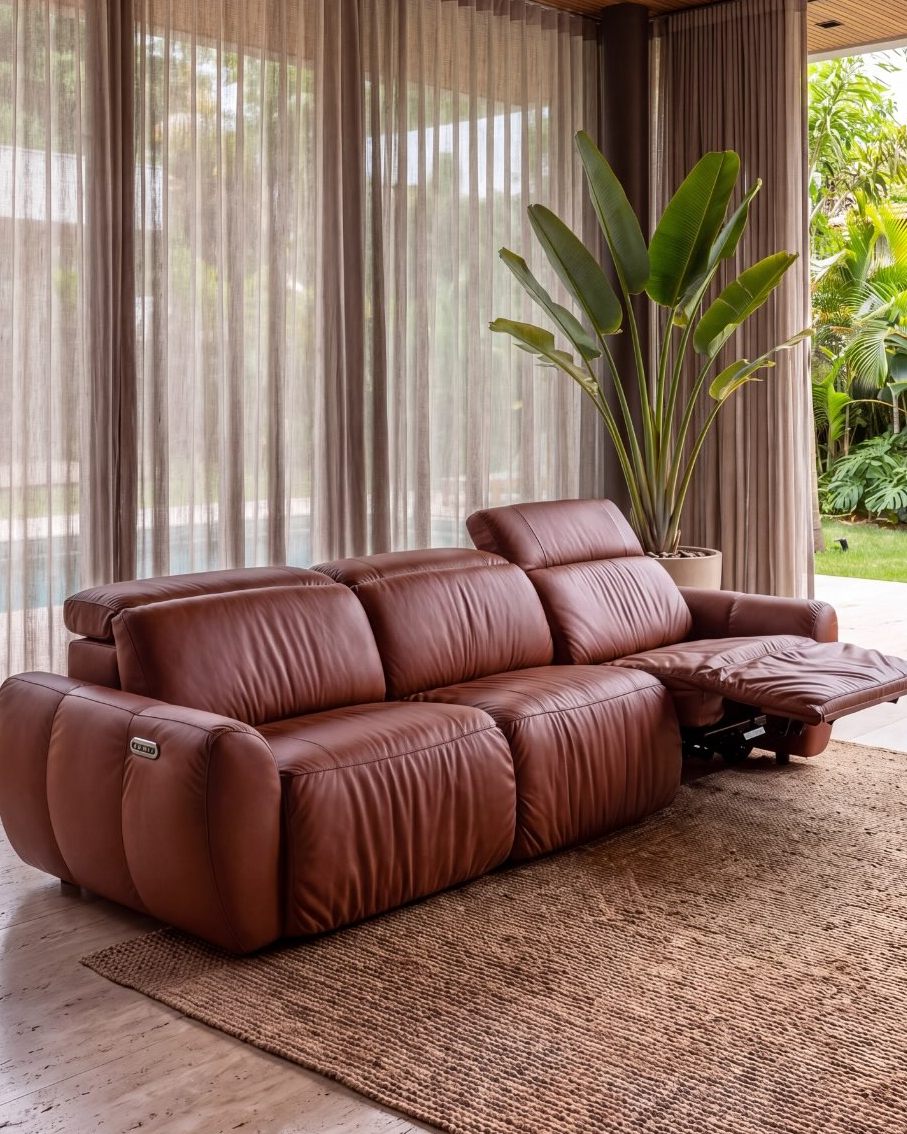
Upholstery
Sofas, sectionals, armchairs, dining chairs, benches and upholstered beds.
What decides it
The cover is the part a buyer inspects and the part that matters least. Frame species and moisture, suspension, foam density and seam construction decide whether the piece survives two years of use, and none of them are visible once the fabric is on. Destination flammability rules apply to the materials inside, not to the look.
Why the piece is worth having
Brazilian upholstery is frame-first. The tradition that runs from Joaquim Tenreiro and Sergio Rodrigues through to the studios working now treats the timber structure as the design and the cushion as something laid into it, which is the opposite of how most volume upholstery is conceived. It is also why a Brazilian armchair tends to read as a piece of furniture from behind.
Where Brazil does not win
Not on price at volume into North America or Europe. Poland is the world's second largest furniture exporter and China the largest, and both quote below Brazil on standardised upholstery at scale; for a buyer shipping into the United States, Mexico adds duty-free access on top. Inside Mercosur that comparison weakens considerably, because Polish and Chinese goods arrive carrying the common external tariff and six weeks of ocean freight that Brazilian goods do not. Brazil's case is frame construction, species and design, and in the Southern Cone also simple arithmetic.
Where it is made
Rio Grande do Sul, and the Arapongas cluster in Paraná for volume production.
Guides
Categories
Leather
Leather sofas, armchairs and dining chairs, and leather specified as a material across a range.
What decides it
Hide grading and lot consistency, not the price per square foot. Brazilian hides carry branding scars, barbed-wire marks and tick damage, which come from how the cattle were raised and not from the tannery, so the grade a factory quotes on and the grade it buys on a repeat order are often not the same. Full grain, corrected grain and split are all sold as leather and behave differently after two years. Cost follows the cutting yield on your pattern rather than the price of the hide. One thing changed in 2026: the European Commission adopted a delegated act removing cattle hides, skins and leather from the scope of the EU Deforestation Regulation, so a leather cover no longer needs EUDR geolocation data. The wooden frame underneath it still does.
Why the piece is worth having
Brazil processes around 40 million bovine hides a year across roughly 214 tanneries and is among the three largest leather exporters in the world, selling into about 80 countries. For a furniture buyer the number that matters is proximity rather than volume. The Vale dos Sinos has been tanning for more than a century a few hours from the upholstery plants of the Serra Gaúcha, so leather specified here is specified where it is finished, not imported into the place where it is cut and sewn. That shortens the loop when a lot comes in wrong.
Where Brazil does not win
Not at the top of the market against Italy, where Tuscan vegetable tanning and the finishing houses behind it hold a position Brazil does not contest, and not on price against China or India. The country's own export mix moved in 2026: through September, leather exports were down 3.1 percent in value at US$814 million, with finished leather down 13 percent while crust rose 19 percent and salted hides rose 66 percent. Brazil is shipping more raw material and less finished leather, which does not remove the finishing capacity but does mean the tannery behind a programme has to be named rather than assumed. Into Latin America and the Caribbean the comparison inverts, because Italian and Asian leather arrives carrying the common external tariff and the freight that Brazilian goods do not.
Where it is made
Tanning is concentrated in the Vale dos Sinos in Rio Grande do Sul, the country's oldest leather cluster, with capacity also in São Paulo and the Centro-Oeste, closer to the herd. The upholstery plants that work in leather are mostly in Rio Grande do Sul and in Arapongas, Paraná.
Guides
Categories
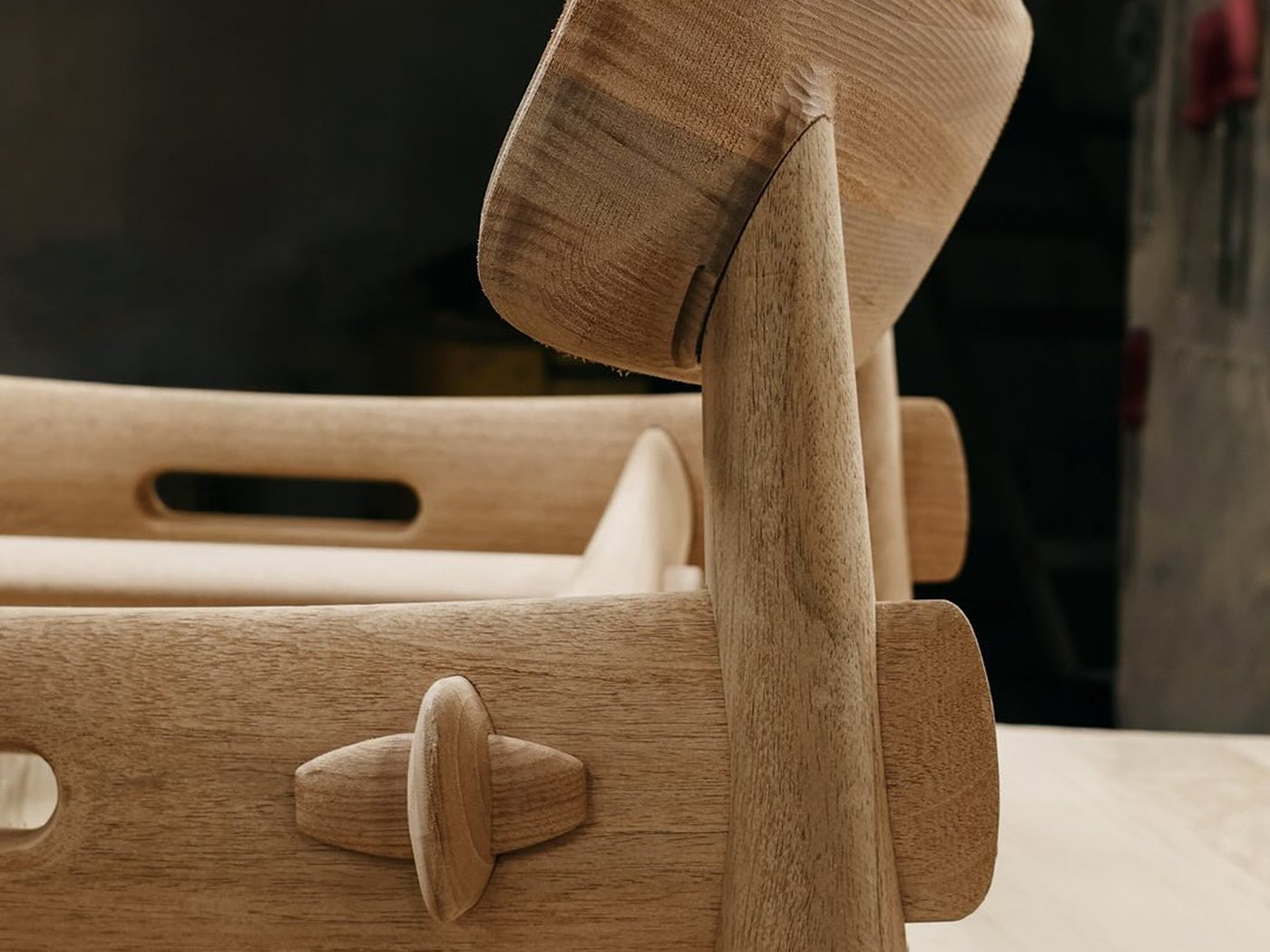
Solid Wood
Dining tables and chairs, beds, sideboards, occasional and case pieces in solid timber.
What decides it
Moisture content, and whether the joinery allows the wood to move. A table dried to Brazilian ambient humidity and shipped to a heated interior in Toronto will relieve its own stress by splitting. Species identification matters too: a commercial name can cover several botanical species with different behaviour and different paperwork.
Why the piece is worth having
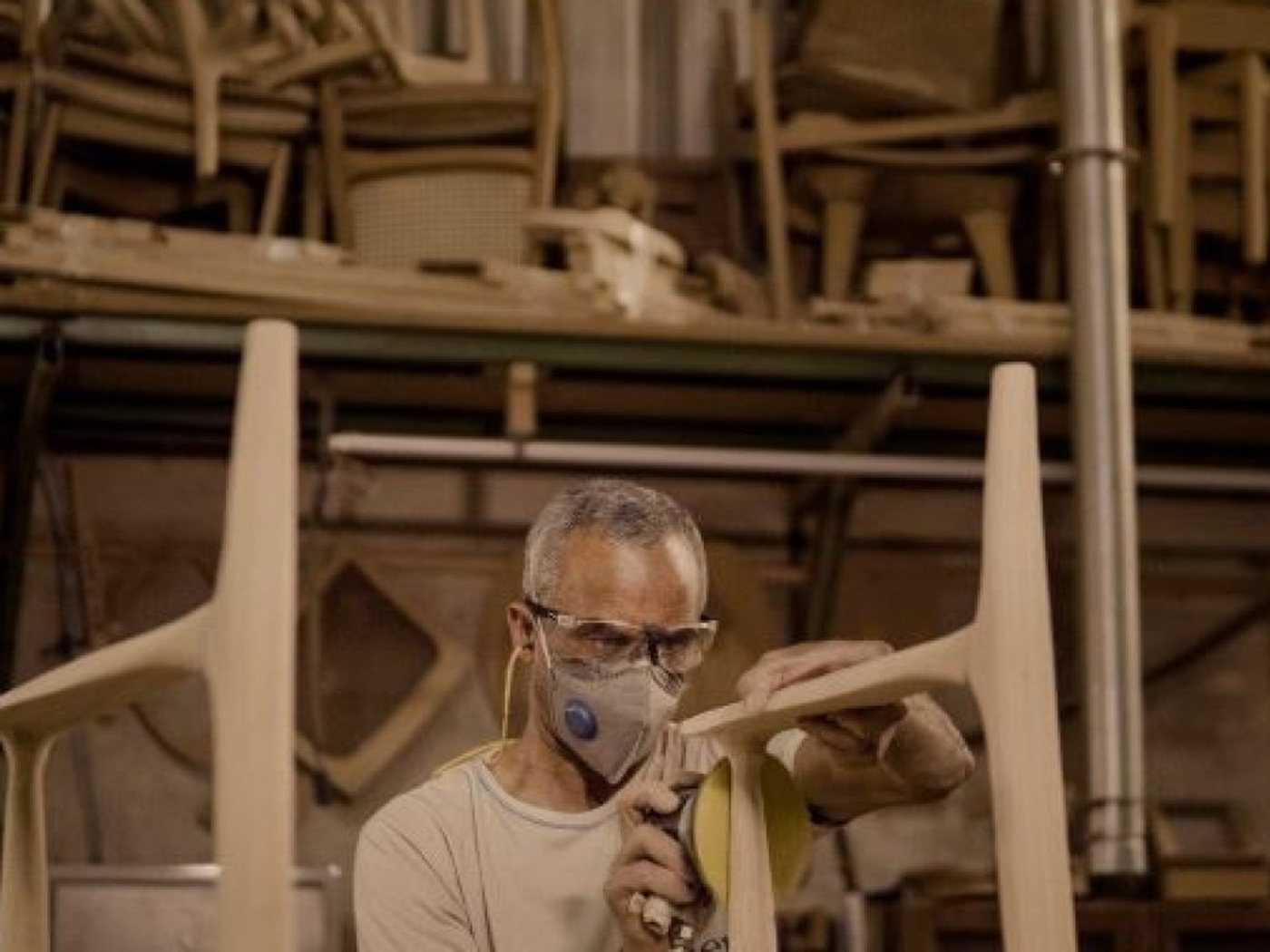
No other origin has the species range, and the country has a modernist tradition that worked them rather than hiding them. Joinery is usually meant to be seen. For a buyer building a range, that means a dining programme can be specified around a visible structural idea instead of around a finish.
Where Brazil does not win
Not on standardised mass-market pieces, where Vietnam prices below Brazil on comparable construction, and not on speed into Europe, where Poland sits inside the single market and moves goods overland in days. Both of those are advantages into North America and Europe specifically. For a buyer in Latin America neither applies, and the comparison returns to species, documentation and construction, which is where Brazil is strongest.
Where it is made
São Bento do Sul in Santa Catarina, and Bento Gonçalves in Rio Grande do Sul.
Guides
Categories
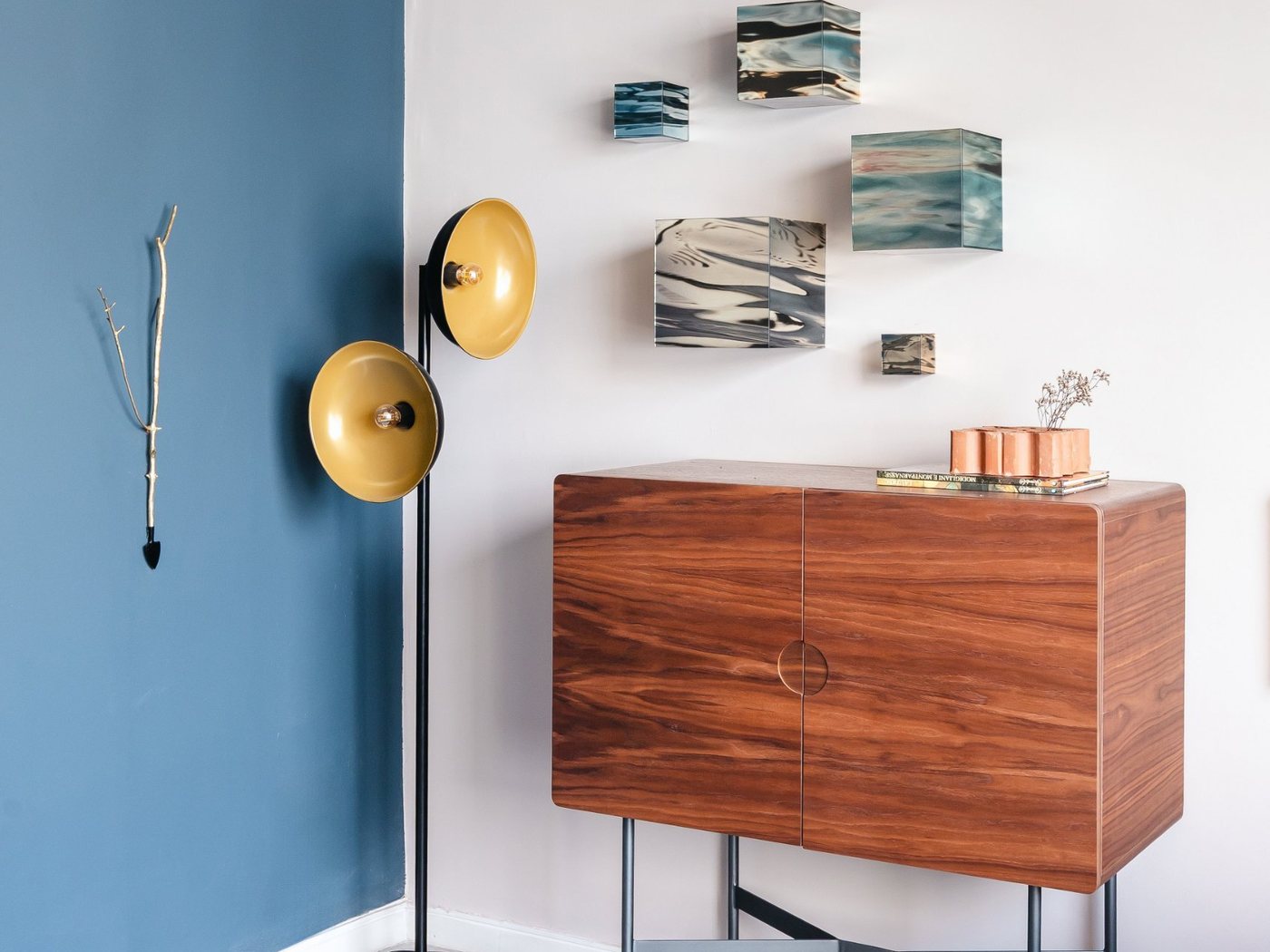
Casegoods and Veneer
Storage, cabinetry, wardrobes, vanities and panel work with a veneered face.
What decides it
The match across a surface is the whole job. A veneer programme lives or dies on lot control: the leaf that made the approved sample came from one flitch, and the production run will not. Composite cores also pull the product into formaldehyde rules that solid timber does not trigger, which catches buyers who assumed a wooden piece was all wood.
Why the piece is worth having
Veneer here is used expressively rather than as a cheaper surface. Brazilian modernism built case pieces where the grain runs continuously across doors and drawers, and the factories that still do that work keep the leaf sequencing and the matching discipline it needs.
Where Brazil does not win
Not on price or scale. China and Poland run panel and veneer operations far larger than anything in Brazil, and for a plain melamine or standard veneer programme they win on cost into most destinations. Inside Mercosur the duty and the freight close part of that gap. Brazil's case is the work where the match across a surface matters more than the unit price.
Where it is made
Santa Catarina and Paraná.
Guides
Categories
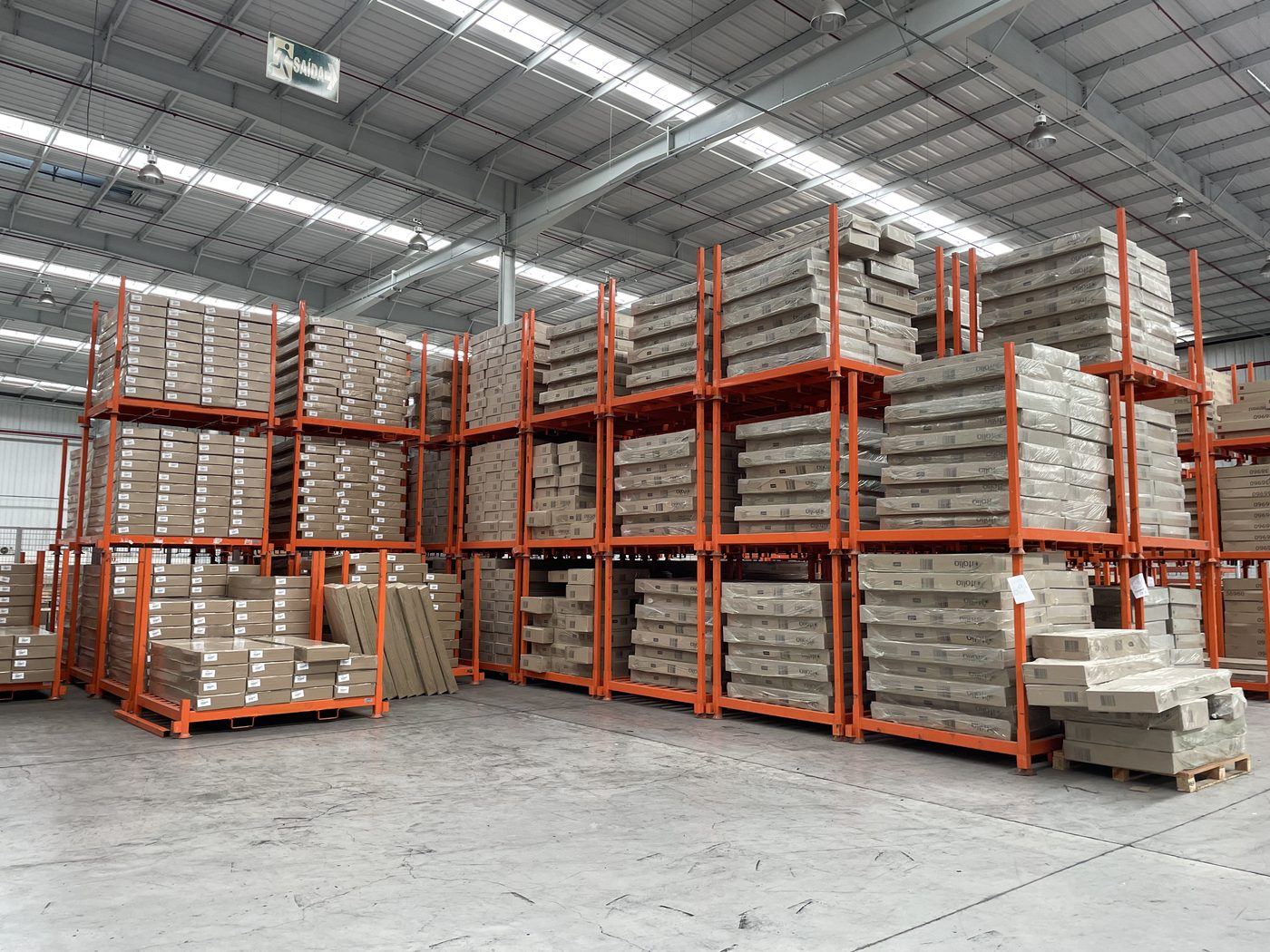
RTA and Flat-Pack
Ready-to-assemble furniture engineered for container efficiency and parcel handling, in panel and in solid wood.
What decides it
The decision has to be structural, not a later conversion. A piece designed as assembled and then taken apart for shipping produces the assembly failures and the returns that destroy the margin the flat-pack was supposed to protect. Packaging engineering is product engineering here, and the assembly experience is part of the product.
Why the piece is worth having
A ready-to-assemble piece that does not look ready-to-assemble. Because the base came out of timber rather than panel converting, solid wood RTA is on the table here, and that changes what the category can be in a range rather than only what it costs.
Where Brazil does not win
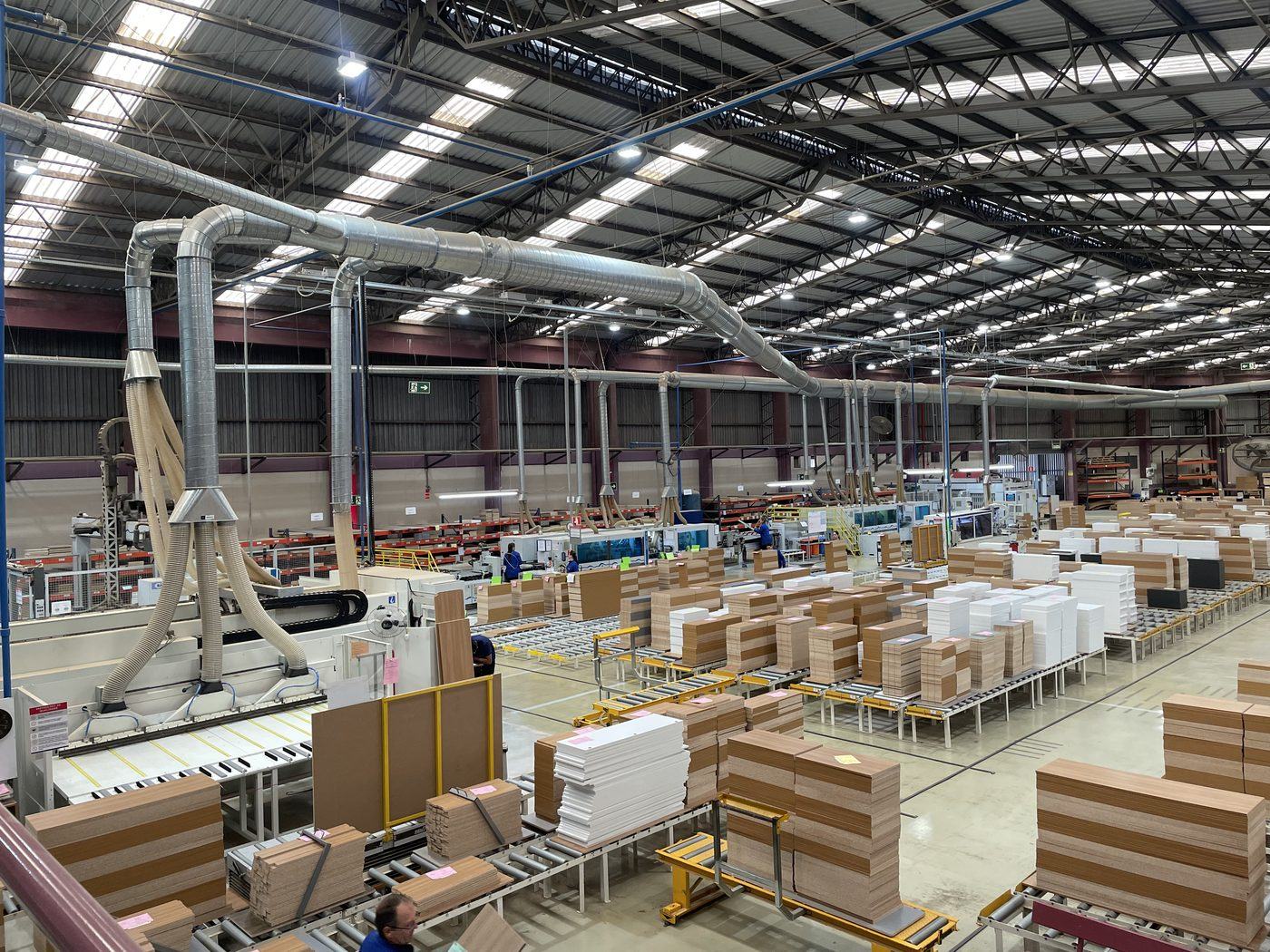
Not at the top of the volume curve on a price-only brief. China produces around 102 million cubic metres of reconstituted panel a year, close to 40 percent of world output. Brazil produces about 8.5 million and ranks eighth. Poland sits inside the European single market and is the largest producer of IKEA's furniture. On tens of thousands of identical units with price as the only question, both will land cheaper, and we will say so on the first call rather than three months into a sampling round.
That is a statement about scale, not about capability, and below that line the comparison changes twice. Brazil makes the panel it uses: plantation pine and eucalyptus feeding mills in the same states as the furniture plants, one of them a single MDF line in Caçador rated above a million cubic metres a year, and close to half of Brazil's panel exports already go to North America. Separately, the flat-pack base did not come only out of panel converting. It came out of timber, so factories in Santa Catarina will quote ready-to-assemble in solid wood where most origins quote it only in MDF or particleboard. A buyer arriving with one panel price sheet is running the wrong comparison on both counts.
Where it is made
Santa Catarina, around São Bento do Sul and Rio Negrinho, works solid wood and will quote ready-to-assemble in it, with panel mills at Caçador in the same state. Panel furniture concentrates elsewhere: Arapongas in Paraná, Bento Gonçalves in Rio Grande do Sul, Mirassol and Votuporanga in São Paulo. Which cluster you are quoting changes the answer.
Guides
Categories
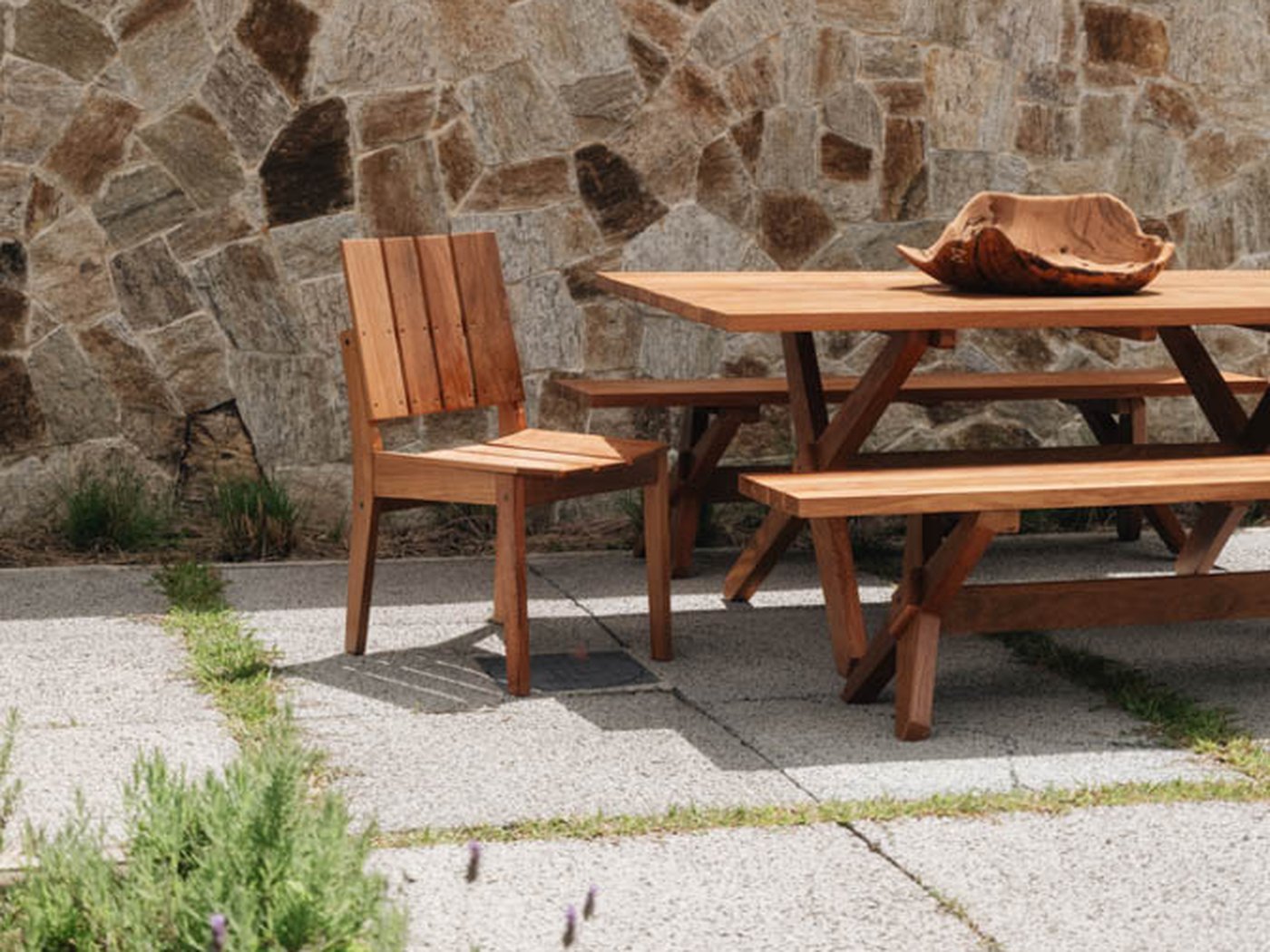
Outdoor
Garden and terrace furniture, in timber, metal and woven synthetic.
What decides it
Species and treatment, before anything else. Brazil has genuinely durable options for exterior use, and it also has timber that looks identical in a showroom and fails in two seasons outdoors. Hardware and fixings corrode before the frame does, so the specification has to reach the screws.
Why the piece is worth having
Brazil designs for outdoor living rather than for a patio accessory aisle. Pieces are drawn as furniture that happens to live outside, in species chosen for the climate they came from, which is a different starting point from weatherproofing an indoor shape.
Where Brazil does not win
Not in teak. Indonesia owns that category, with Jepara at its centre, and exported more furniture in the first quarter of 2026 alone than Brazil exported in all of 2025. Not in aluminium and synthetic weave at price either, which is China. Those hold wherever you ship, because they are concentrations of craft and material rather than freight advantages. Brazil's case is its own durable species and the pieces designed around them.
Where it is made
Several regions, with the species decision usually ahead of the regional one.
Guides
Categories
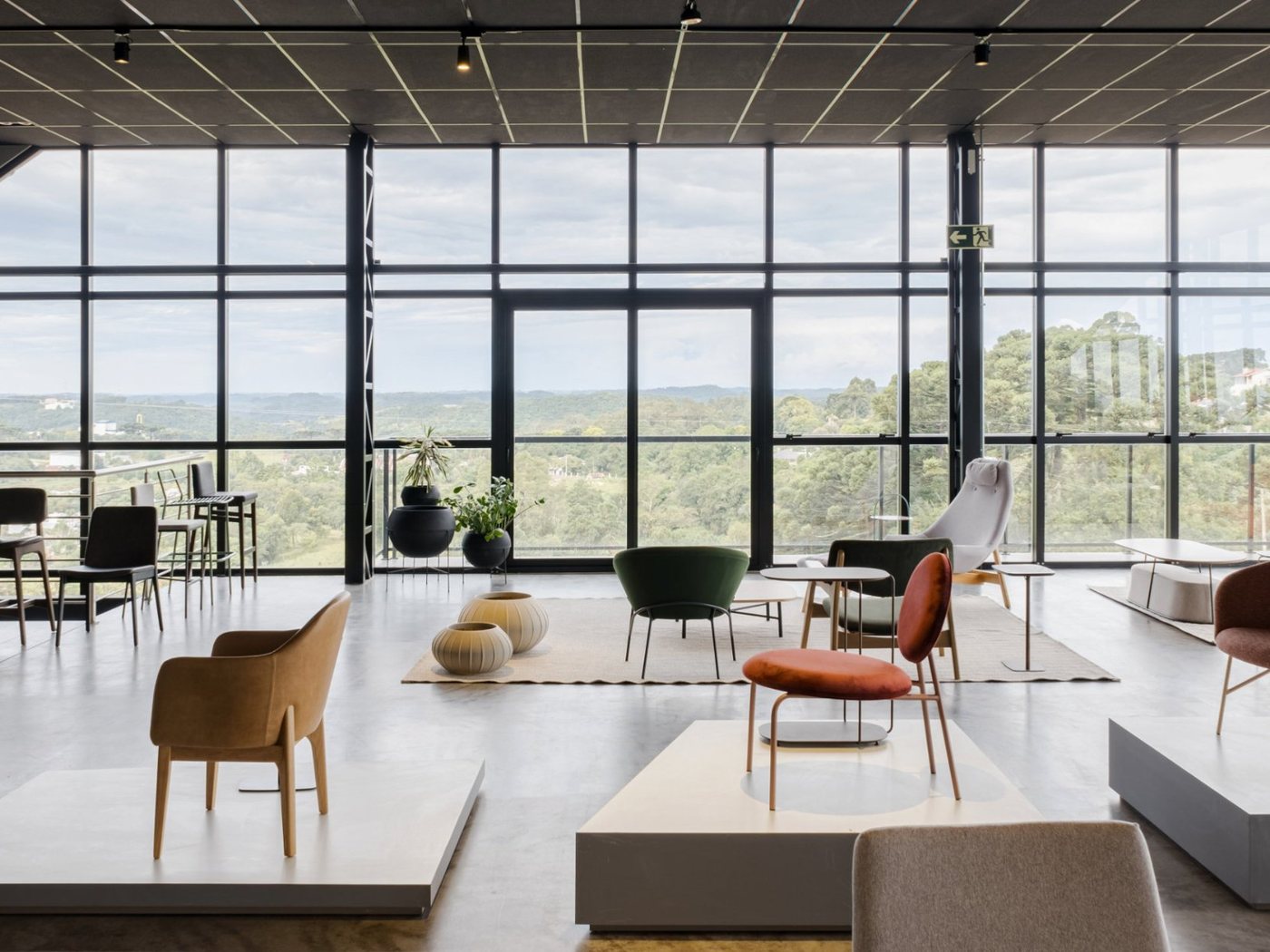
Contract and FF&E
Hotel, restaurant, office and multi-unit residential programmes, specified and scheduled.
What decides it
Holding one specification across hundreds of units, and still being able to supply a replacement piece in year three. Contract work fails on continuity rather than on the first delivery. A factory that produced a beautiful mock-up room may not have the documentation discipline to repeat it on floor eleven.
Why the piece is worth having
Brazilian hospitality has produced genuinely designed buildings, and the suppliers behind them are used to working to an architect's drawing rather than to a catalogue. For an FF&E programme that means a specification is a conversation rather than a substitution exercise.
Where Brazil does not win
Not on the largest programmes at the lowest opening price, where China and Vietnam have both the capacity and the practice. That gap is widest for a buyer in North America or Europe. For a hospitality programme in Latin America, proximity changes the calculation twice over: on the first delivery, and again in year three when a replacement piece is needed and the origin is a week away rather than a quarter.
Where it is made
Across the southern clusters, with specification and design coordination usually run from São Paulo.
Guides
Categories
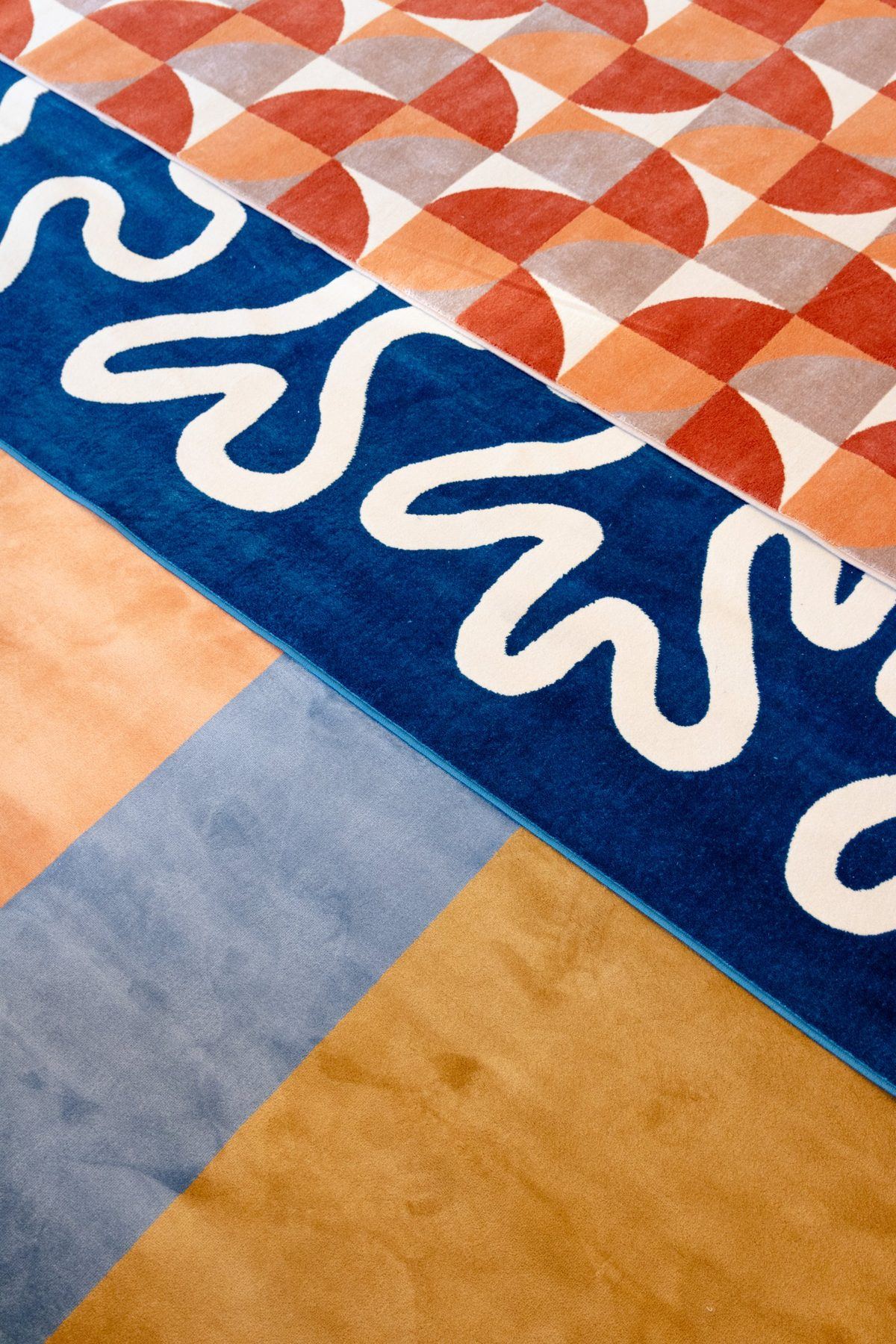
Rugs
Woven and tufted floor coverings, sourced alongside or independently of a furniture programme.
What decides it
Consistency across a dye lot, and what the backing is doing. A rug approved from a single sample is approved from a single dye bath, and the second run will not match it unless the tolerance was agreed in writing first. Pile retention and shedding show up after delivery rather than at inspection, which makes the construction specification more important than the look of the sample.
Why the piece is worth having
Less than in the categories above, and we would rather say so. Brazil is not a rug origin of scale and the design case is thinner. What is here is one qualified maker and the practical value of keeping a programme on one continent.
Where Brazil does not win
Not against India, which ranks first in the world in handmade carpets by both value and volume, nor against Turkey. This one holds wherever you are shipping, because it is a concentration of craft rather than a freight or tariff advantage. Brazil is not a rug origin of scale and we will not pretend otherwise. We work in the category because a furniture programme often needs it, with one qualified maker.
Where it is made
We work with a rug maker that has passed a global retailer's own factory audit.
Related reading
Also covered
Four more categories, usually specified alongside a programme.
We cover these inside broader programmes rather than as standalone guides. Ask and we will tell you plainly whether we have depth in it.
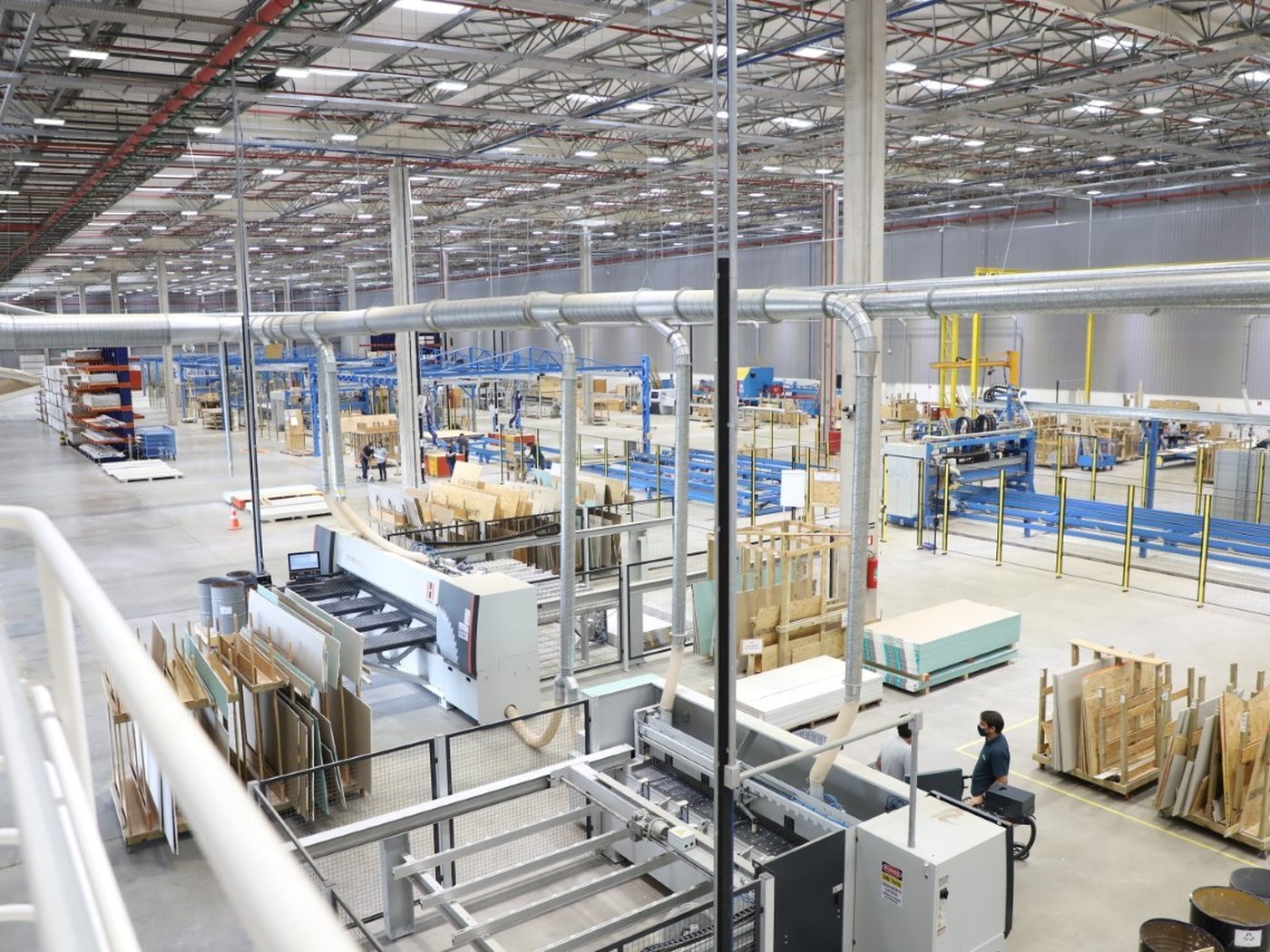
Panel-based furniture
MDF and MDP programmes built for volume and price position.
Sourcing Panel Furniture From Brazil: MDF, MDP and What the Specification Has to Say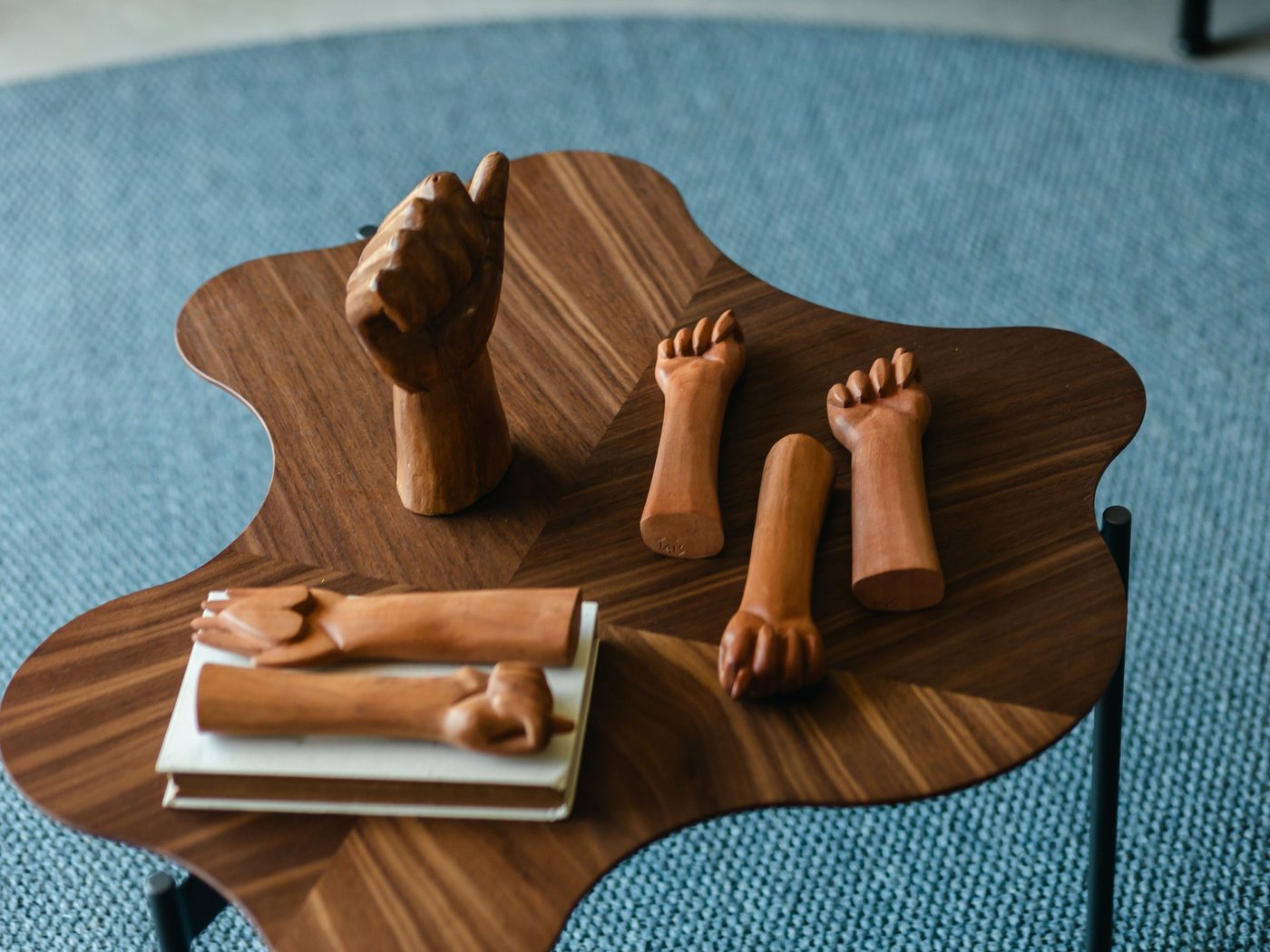
Decorative accessories
Objects, lighting-adjacent pieces and finishing items that complete a range.
Sourcing Decorative Accessories From Brazil: Capacity Is the Constraint, Not Price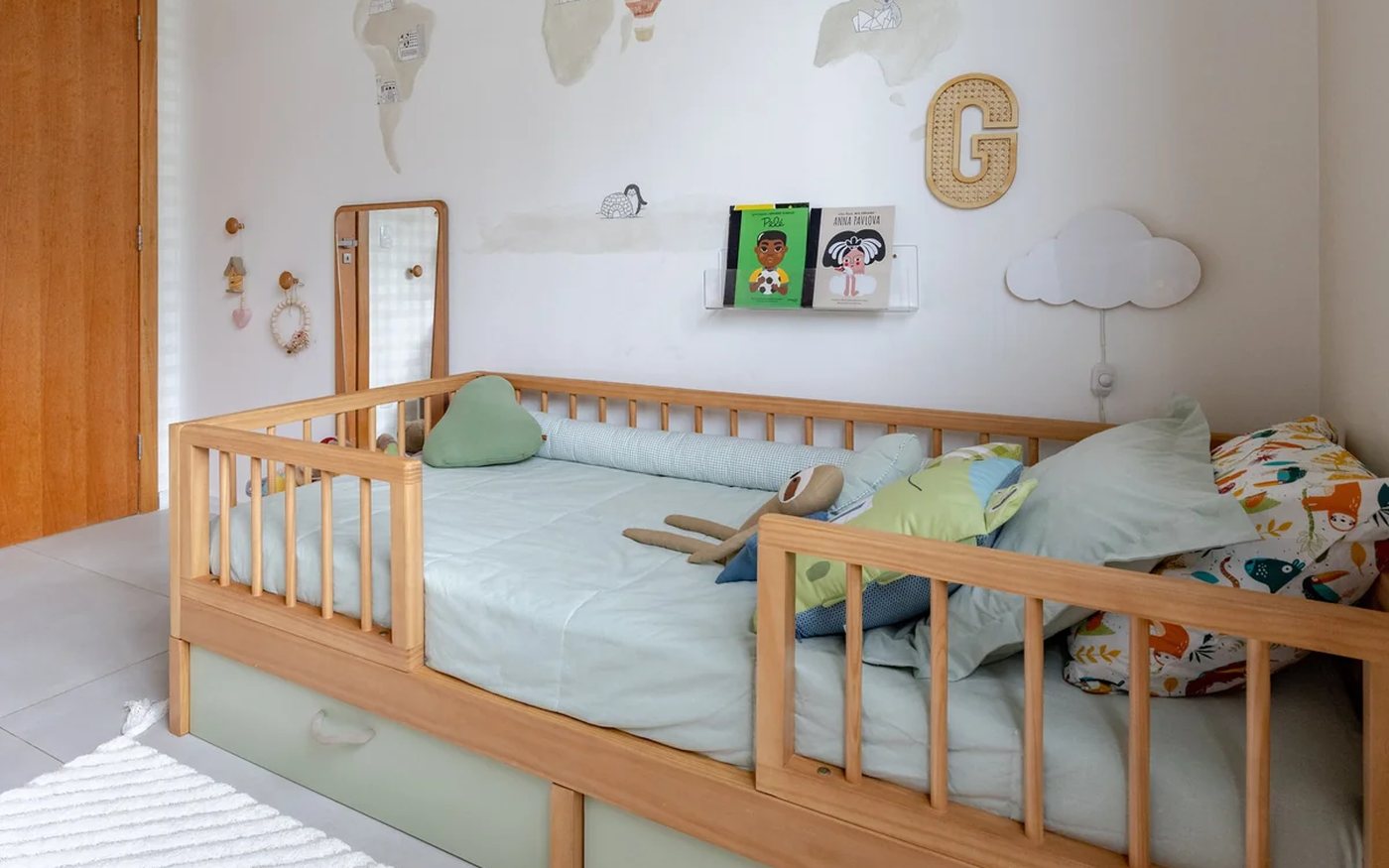
Children's furniture
Cots, beds and storage, where destination safety standards are stricter than for adult equivalents.
Sourcing Children's Furniture From Brazil: The Standard Decides the Factory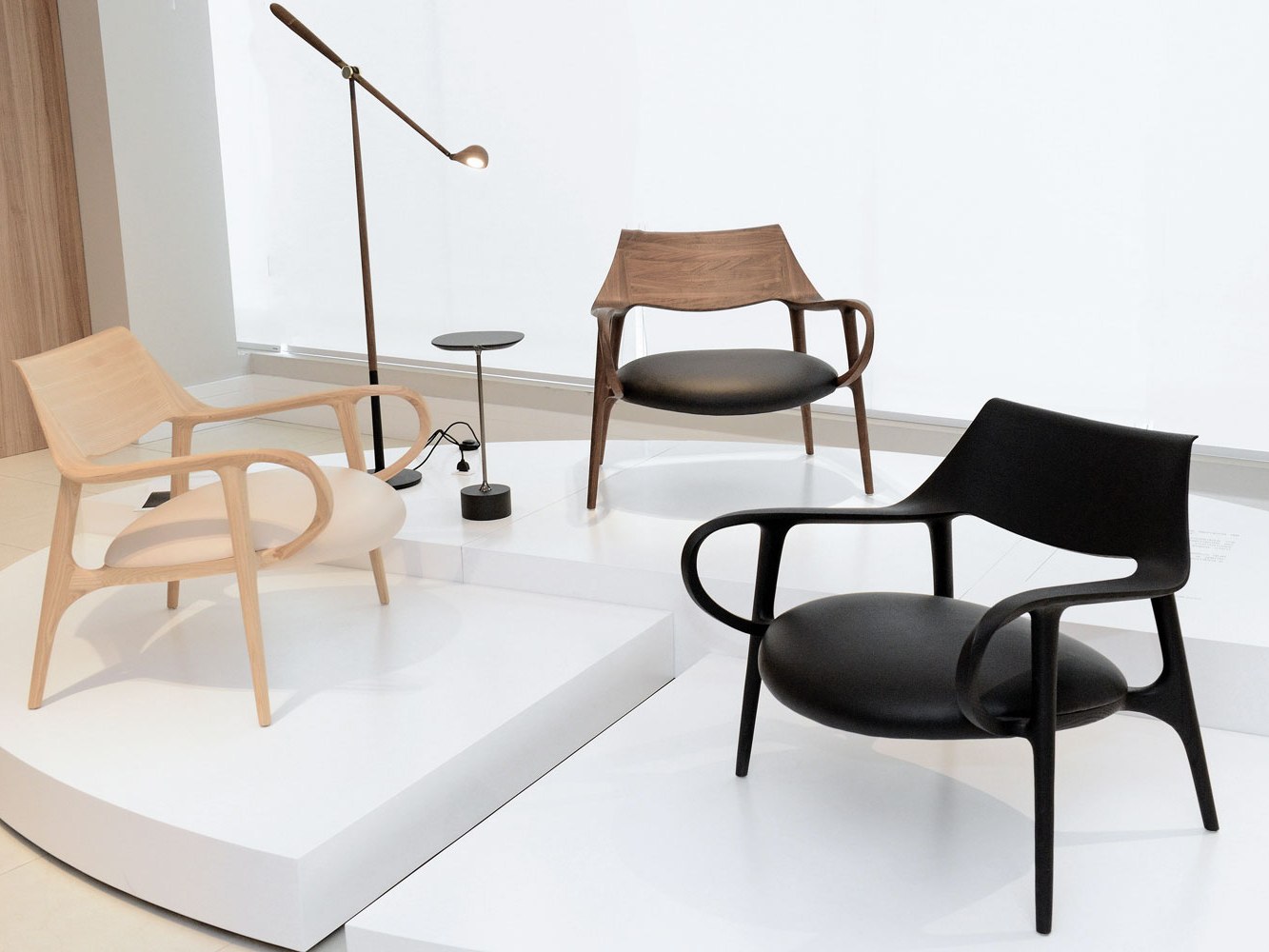
Design and authored pieces
Collections with authorship, where licensing and the right to manufacture have to be verified.
Sourcing Authored Design From Brazil: Whose Design Is It, and On What Terms Can You Make It?