Fifteen Factories in Four Days: Why Aosom Chose Brazil Over Mexico and Colombia
Vista Furniture Co. is an independent sourcing consultancy in São Paulo. We work for furniture buyers, never for factories.
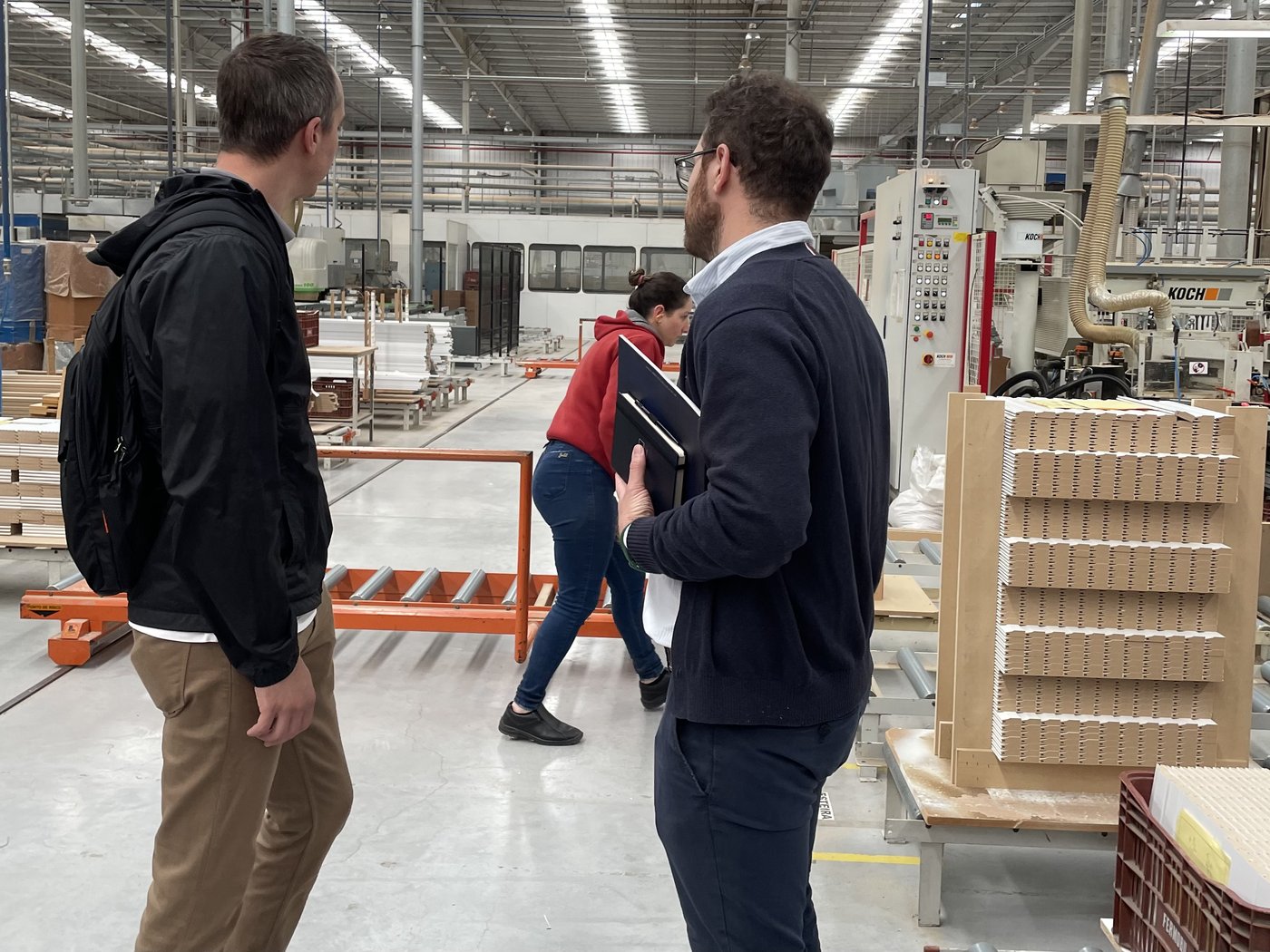
Most buyers who ask us about Brazil are comparing it against China from a distance. Aosom was not. Aosom was comparing it against China from the inside.
The company was founded in 2013 as a cross-border e-commerce operation and runs from Ningbo, in Zhejiang, with a US arm in Huntington Beach, California. It has nine overseas subsidiaries across the United States, Canada, the United Kingdom, Germany, France, Italy and Spain, more than thirty self-operated warehouses covering over 700,000 square metres, and sells into more than eighty countries under brands including Outsunny, HOMCOM, PawHut, Vinsetto and Kleankin. Indoor furniture, outdoor furniture, garden and pet.
That profile matters for what follows. When a team whose daily reference point is Chinese manufacturing walks into a Brazilian factory, its standard is not theoretical. It knows exactly what a well run panel line looks like, because it buys from them every week.
Why Latin America was on the list at all
The brief was supply base diversification outside Asia. The reasoning is the one we hear from almost every serious buyer now: proximity to the North American and European markets they already serve, exposure to a tariff picture that keeps moving, and the structural risk of a single manufacturing geography carrying an entire catalogue.
What has changed in the last two years is that diversification is no longer a search for a cheaper origin. There is no low-tariff escape hatch left, as we set out when the United States imposed its 25 per cent Section 301 duty on Brazilian goods. Every meaningful furniture origin now sits inside a tariff regime of one shape or another, which moves the decision off price and onto capability, compliance and resilience.
In Latin America that narrowed to three candidates: Mexico, Colombia and Brazil. Mexico has the strongest structural case for a United States programme, because USMCA access and overland freight are real advantages that Brazil cannot answer. We have written that comparison honestly in Brazil versus Mexico for furniture sourcing, and the short version is that almost everything in Mexico's favour is about the United States specifically.
Brazil's case had to be made on manufacturing.
Three things the team did not expect
We did not predict which of these would land hardest. The one that did was the one we had never thought to lead with.
Ready-to-assemble in solid wood
In most origins, ready-to-assemble means panel. MDF or particleboard, cam-lock fittings, flat carton, and a price sheet to match. That is what the category means to a buyer who has sourced it at scale, and it is why Brazil is usually written off for it before anyone visits.
Brazil's flat-pack base did not come out of panel converting. It came out of timber. The Santa Catarina cluster around São Bento do Sul and Rio Negrinho built its industry on solid wood, where solid wood still accounts for roughly 95 per cent of what the region produces, and the plantation pine behind it grows in the same two states. So factories there will quote ready-to-assemble in solid wood, which most origins will not.
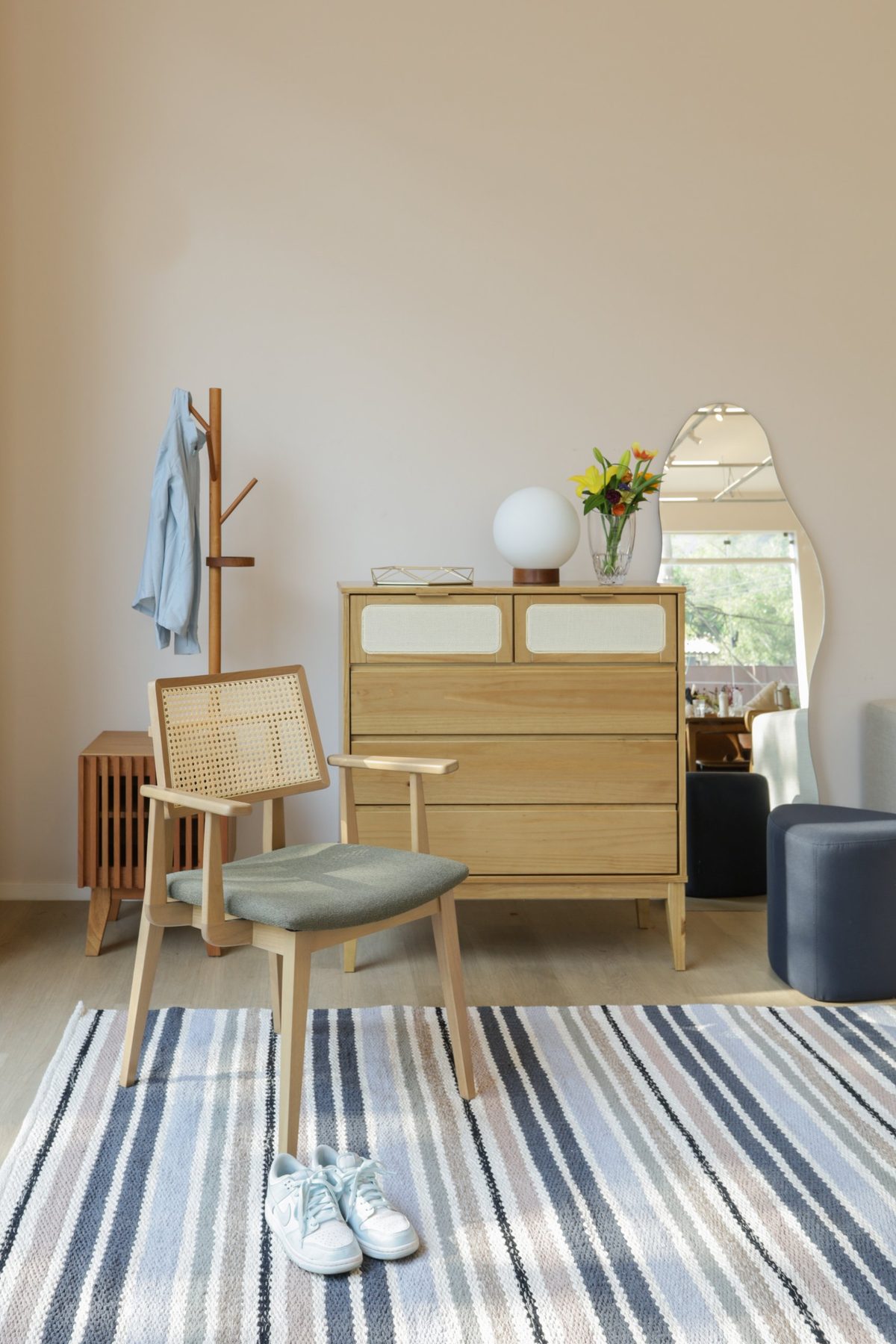
The team had not seen that offered anywhere else. It is the clearest example we have of a buyer arriving with the right question and the wrong price sheet, which is the subject of the wrong factory is the most expensive mistake in Brazilian sourcing. The RTA and flat-pack category page now says this explicitly, partly because of this engagement.
The size of the industry
Brazil is not a volume origin by world standards, and we say so on every category page. It exported USD 769 million of furniture and mattresses in 2025 against China's USD 68 billion.
But a buyer does not source from a national export total. A buyer sources from a cluster, and the clusters are larger than the headline suggests. Arapongas alone holds around 270 furniture companies and roughly 10,000 direct jobs. Bento Gonçalves and its neighbouring towns hold about 300 industries. Ubá has more than 350 companies and some 16,000 direct jobs. Brazil also ranks eighth in the world in reconstituted wood panel production and makes the panel its own furniture industry consumes. The regional map sets out where each cluster sits and what it does.
The machinery
This was the one that mattered, and it came from the people best placed to judge it.
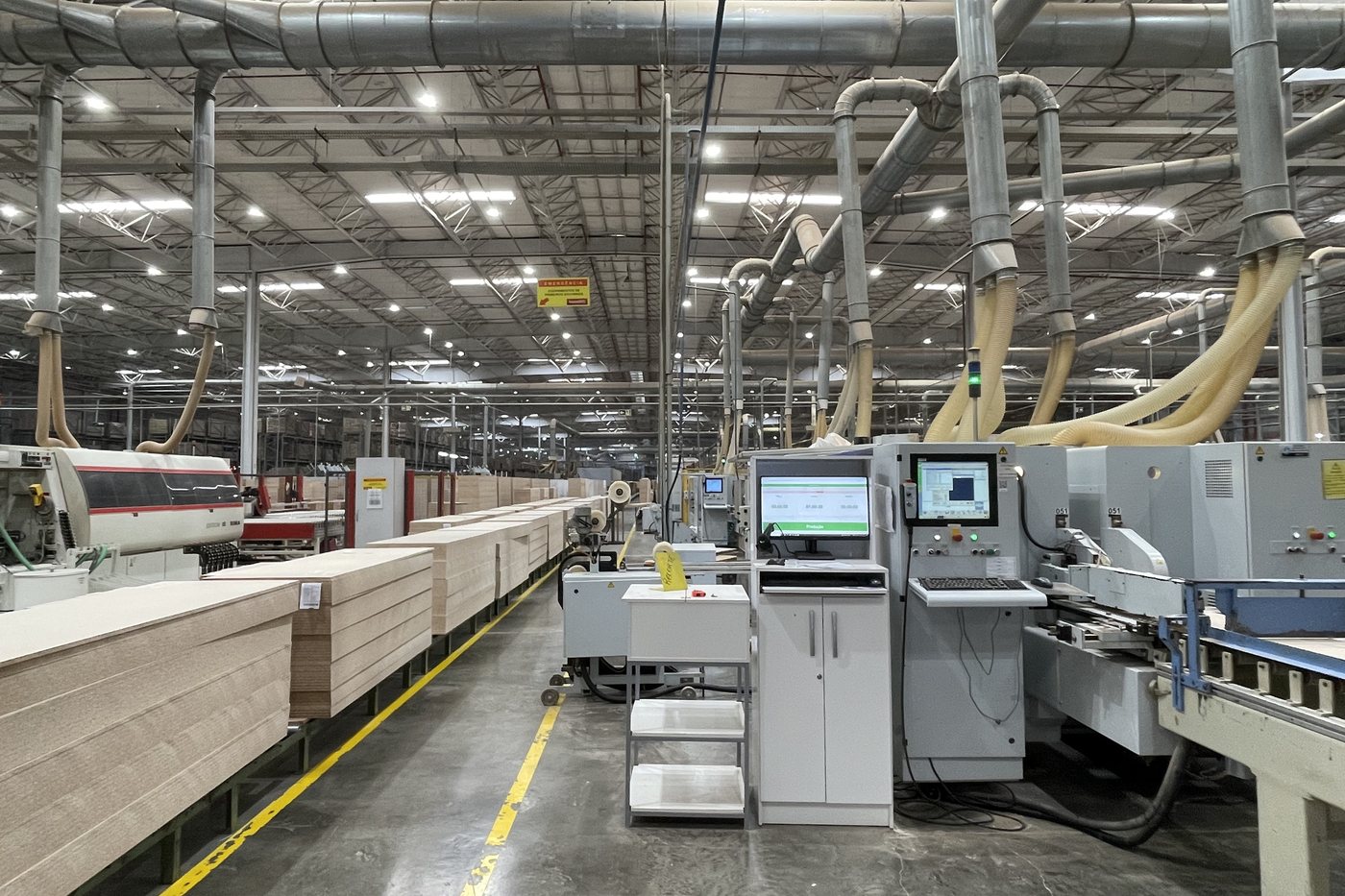
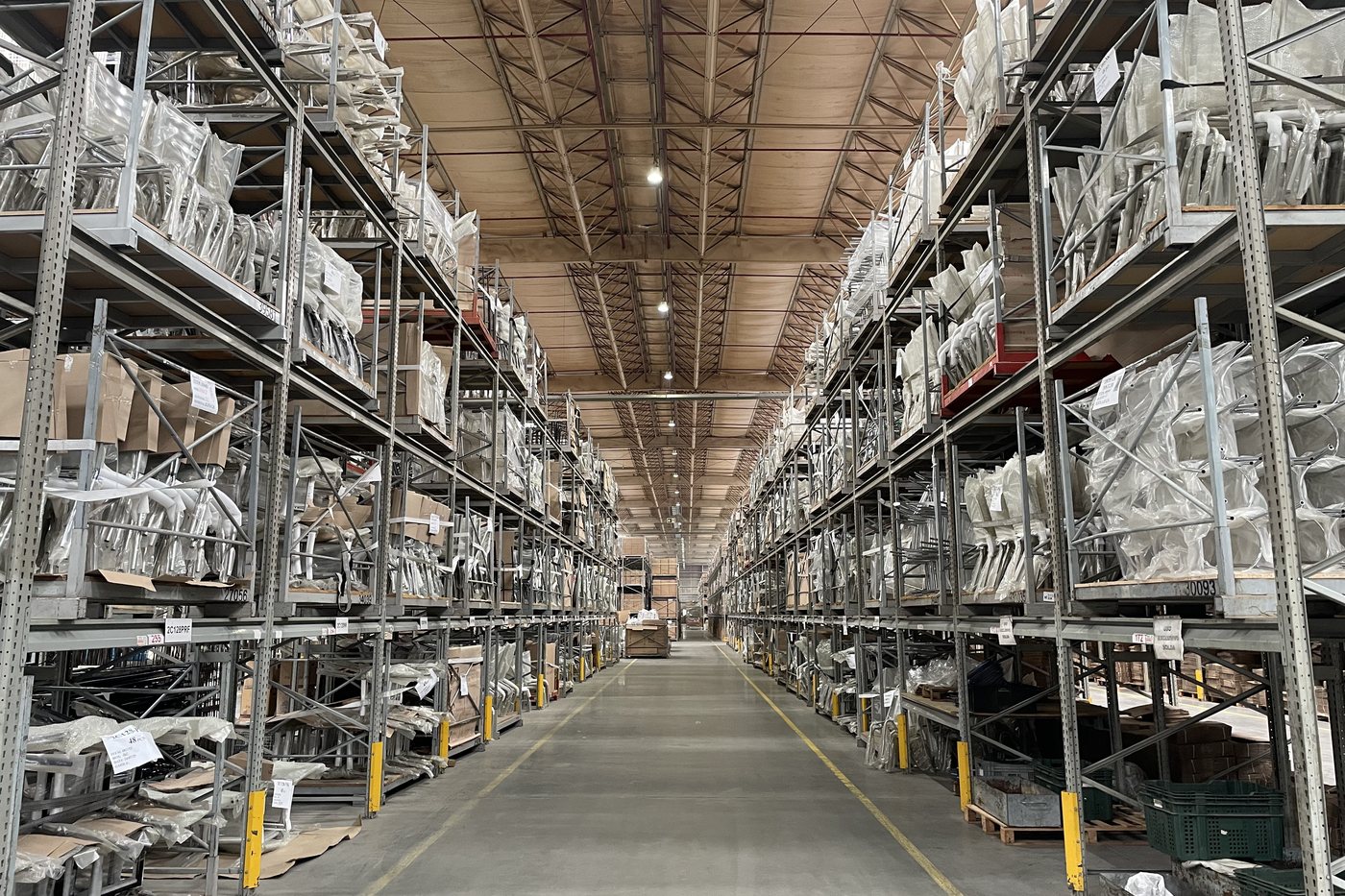
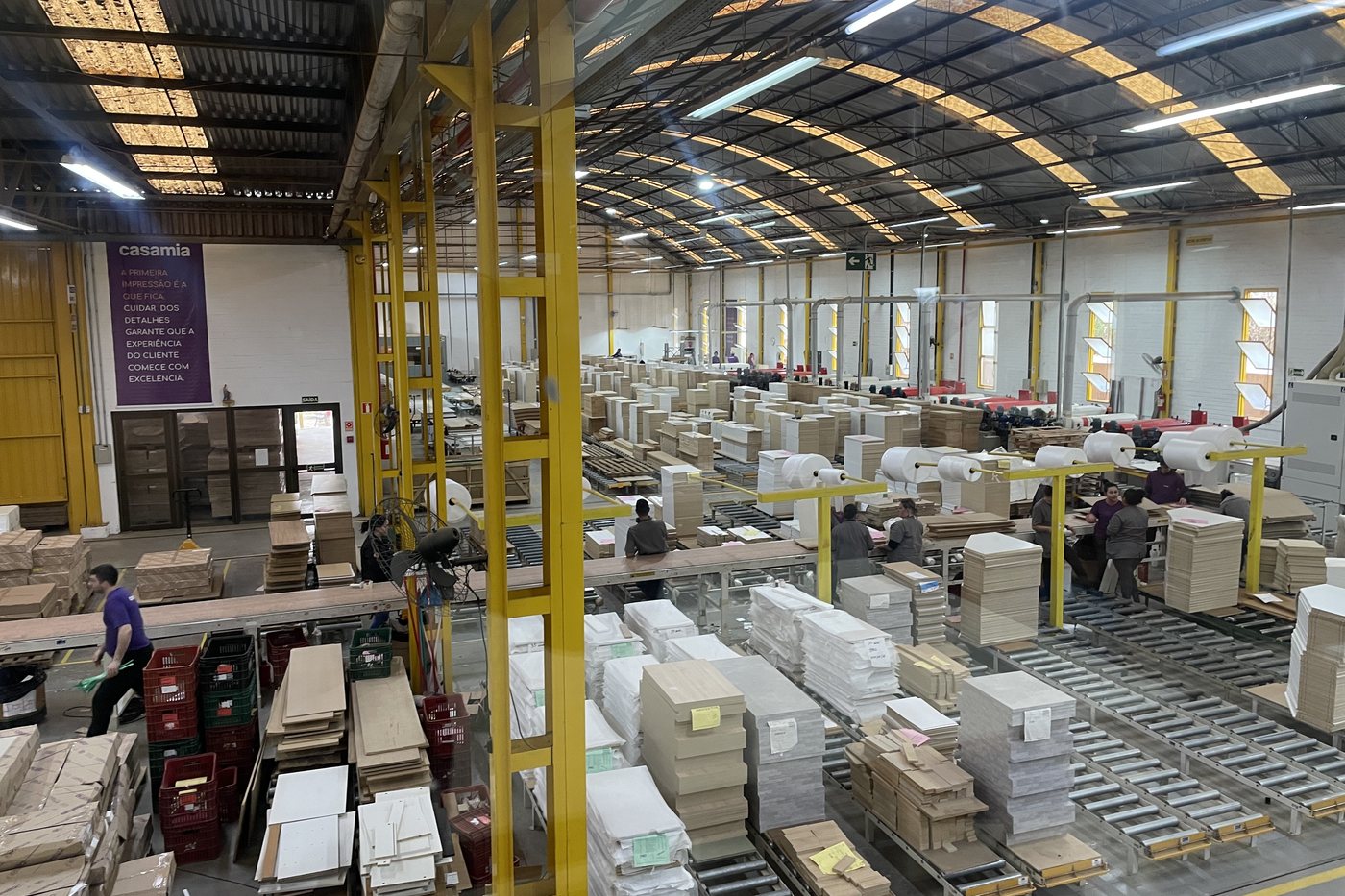
The team told us that the equipment they saw on Brazilian lines was the kind of modern machinery they had assumed they would only find in China. Edge banders, CNC routing, panel saws, finishing lines. Not a museum of equipment kept running past its life, which is the quiet expectation a lot of buyers carry into any origin outside Asia, and usually do not say out loud.
We would not have been able to make that point credibly in a deck. Coming from a buyer who benchmarks against Chinese plants as a matter of routine, it did not need to be made at all. They just saw it.
Fifteen factories in four days
The engagement Aosom signed included an in-person factory programme, and we ran it. Four days on the road, around fifteen factories.
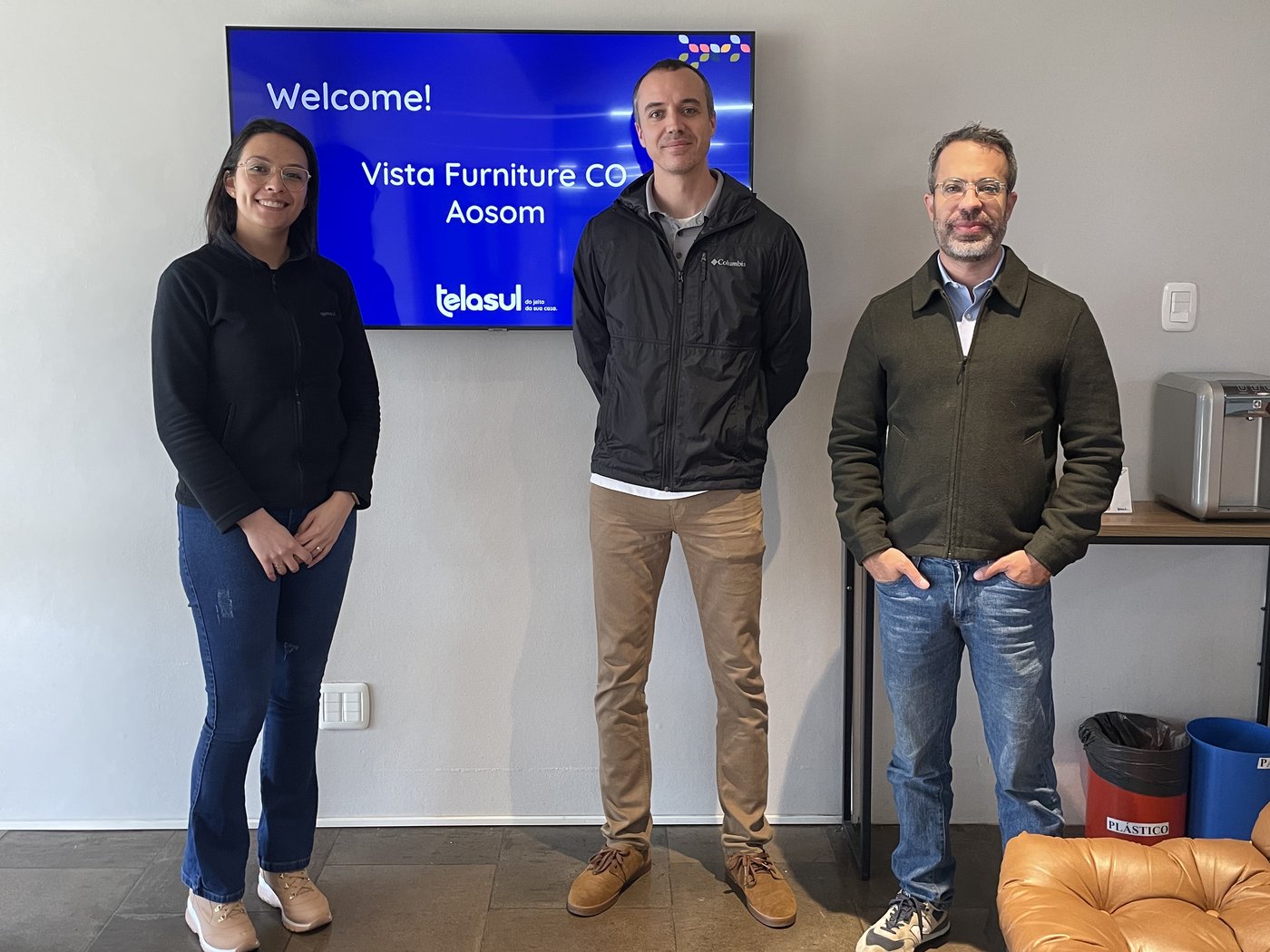
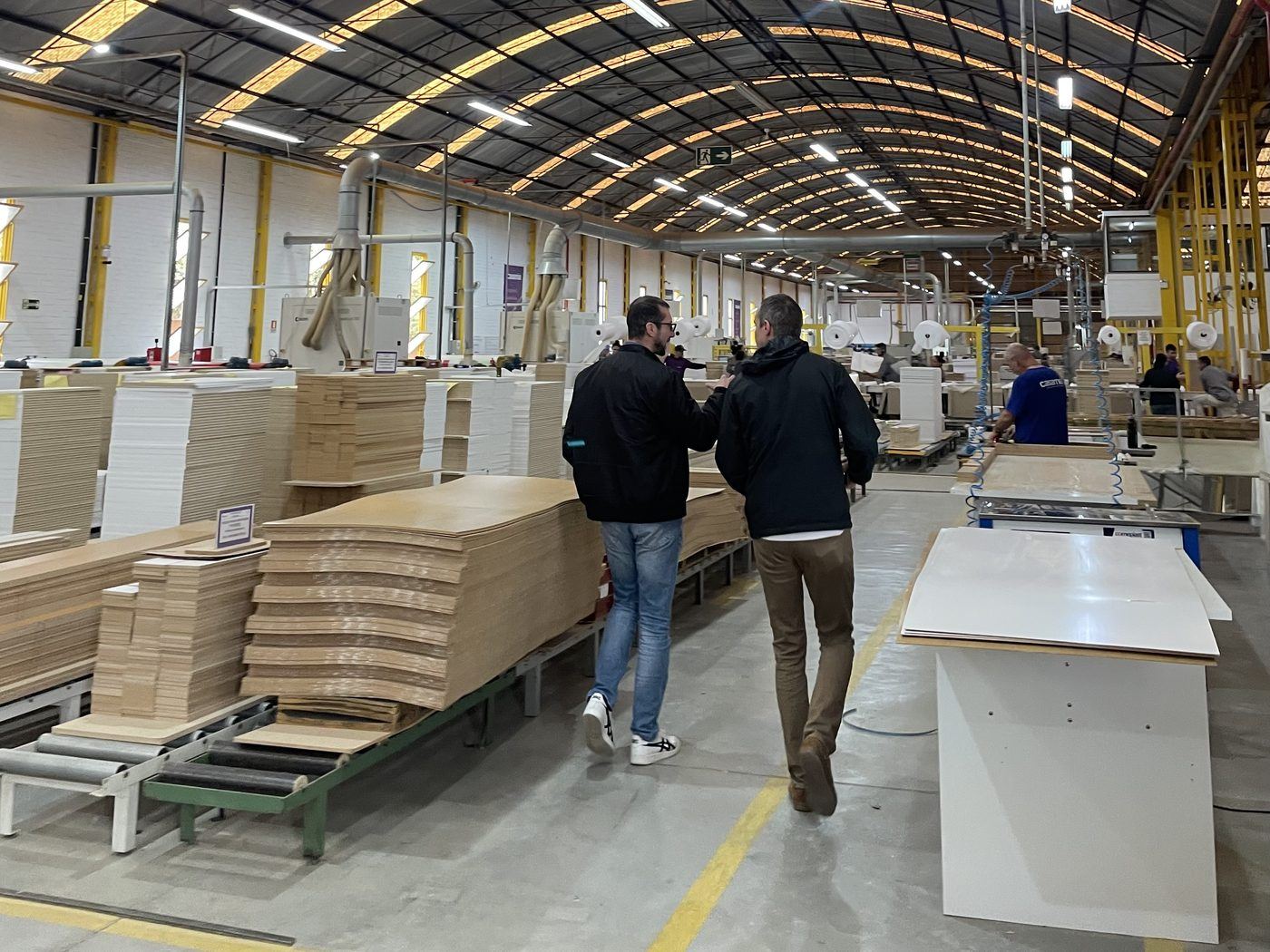
That number is worth unpacking, because it is not a measure of effort. Fifteen factories in four days is only possible if two things were done before anyone boarded a plane. The candidates have to be qualified in advance, so that nobody spends half a day at a plant that was never going to fit the category, the run size or the export requirement. And the route has to be built around the geography, because the clusters are hundreds of kilometres apart and the difference between a good itinerary and a naive one is four plants a day against one.
The alternative is the trip most buyers take on their own: six factories in a week, three of them found at a trade fair, with no way to tell which of the six was quoting accurately and which was quoting to avoid saying no. That is the factory audit problem, and it is why we treat the floor visit as the thing that proves or breaks everything concluded on paper.
A certificate and a production line are two different claims. So are a website and a factory.
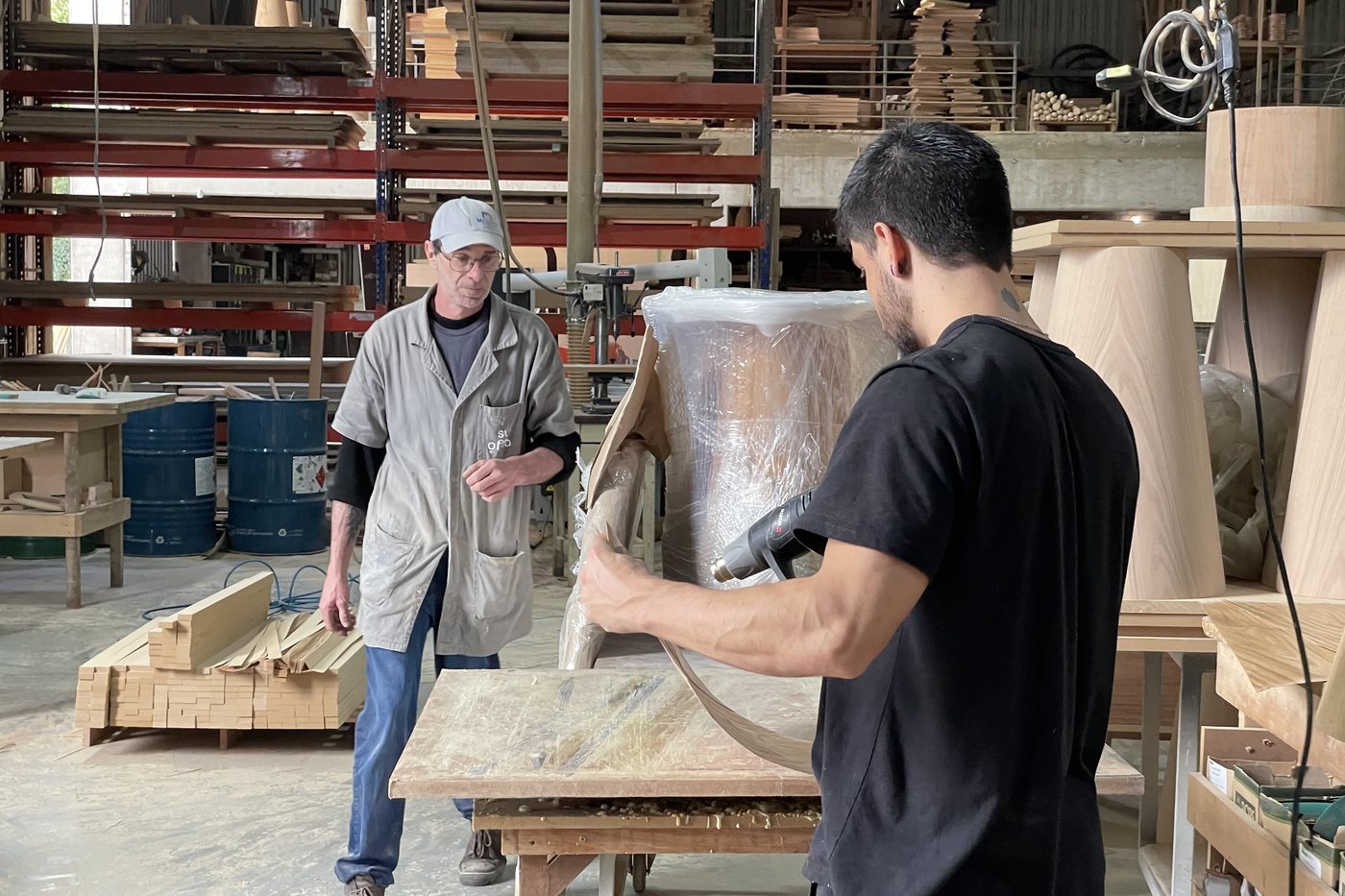
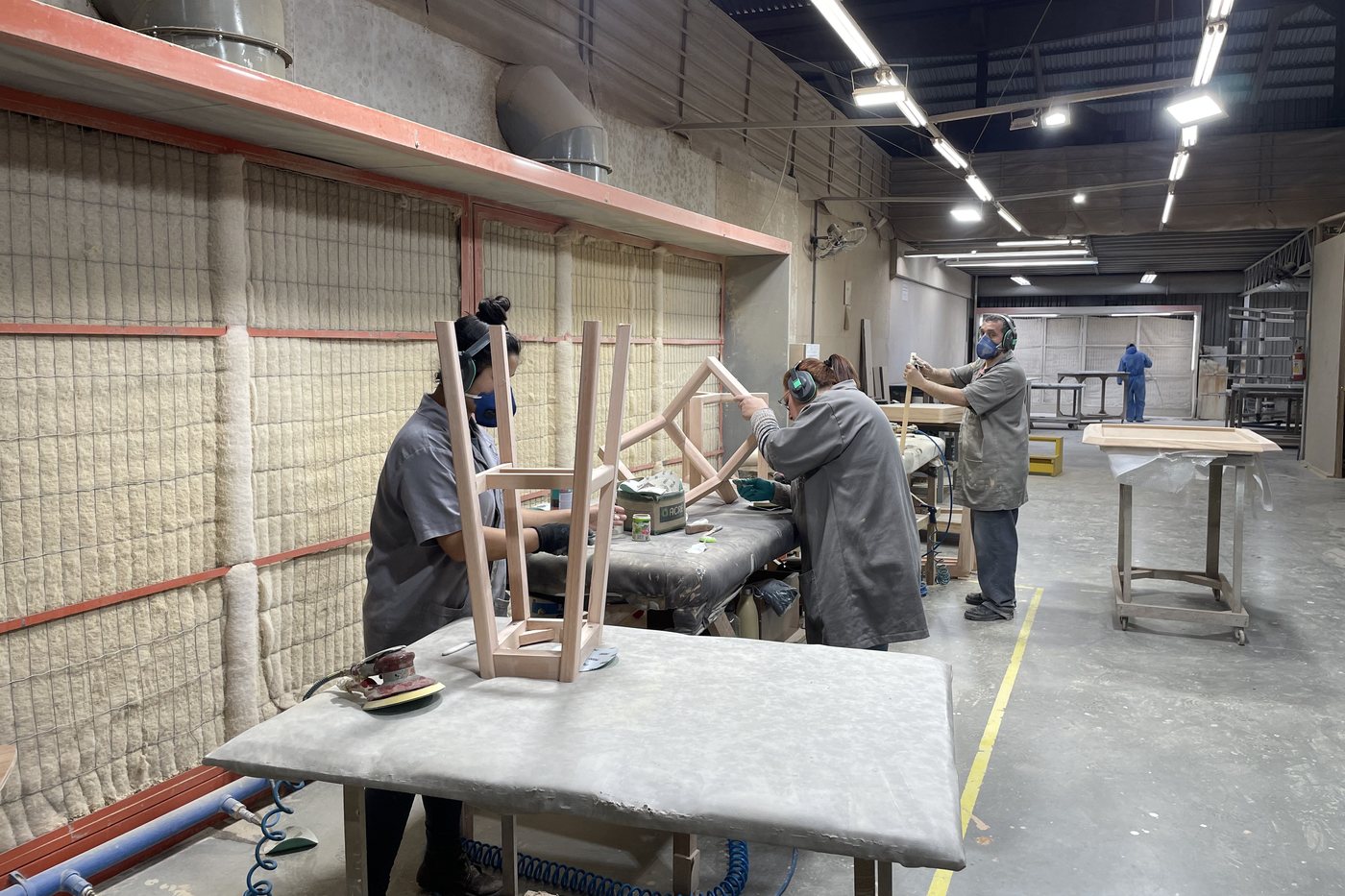
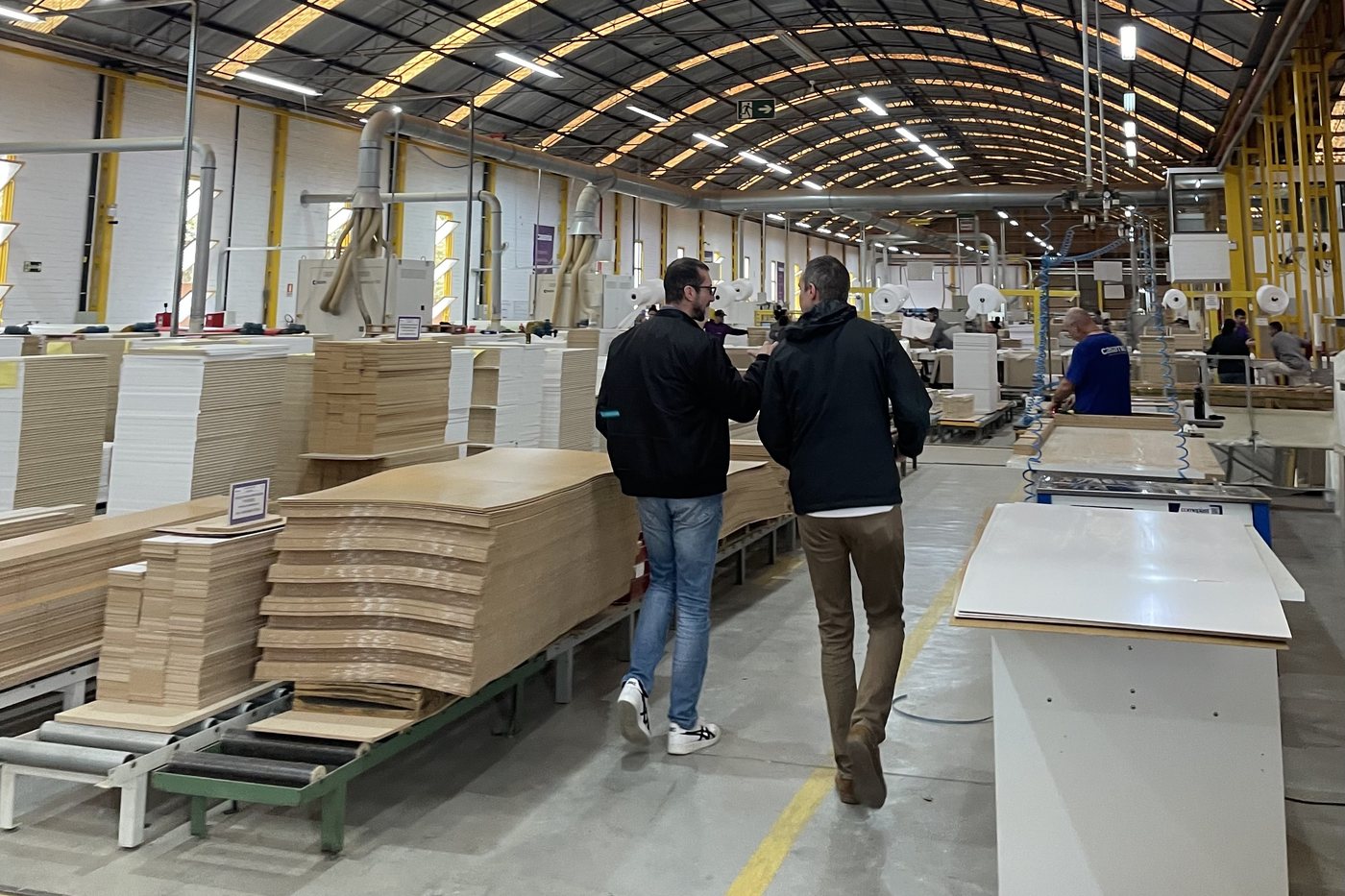
Four days, photographed as we went.
What a buyer should take from this
Three things, and none of them is that Brazil wins.
The first is that the comparison set has changed. A buyer leaving China in 2026 is not choosing between Asia and a cheaper Asia. They are usually comparing Mexico, Colombia and Brazil, and those three answer different briefs. Mexico answers a United States programme on freight and duty. Brazil answers a question about what can actually be built, in which material, to what standard.
The second is that the category vocabulary you arrive with can hide the answer. Aosom asked about ready-to-assemble and got an answer nobody in the market had given them, because in Brazil that phrase can mean something it does not mean elsewhere. Ask in material terms, not in category terms.
The third is that none of this survives a desk. The machinery is the clearest case. No website photograph, no video walkthrough and no certificate would have told that team what four days on the floor told them in the first hour, precisely because they already knew what they were looking at.
If you are running the same comparison, the questions we would want answered before booking anything are on our frequently asked questions, and the categories where Brazil is genuinely strong, along with the ones where it is not, are set out one by one on the categories pages.
Sources
- Aosom, company profile and operating footprint
- Aosom, brands and markets
- Gazeta do Povo, on solid wood in the São Bento do Sul cluster
- Government of Paraná, on the Arapongas cluster
- Sindmóveis, on the Bento Gonçalves cluster
Matheus Ximenes Pinho is the founder and managing director of Vista Furniture Co. He has spent more than twenty years in home and décor, fourteen of them in the Brazilian furniture industry, working across product design, manufacturing, and digital retail. He advises international retailers, brands, hotel groups, and developers on sourcing furniture in Brazil with less risk and better decisions.
Vista Furniture Co. is a buyer-side furniture sourcing consultancy founded by veterans of Brazil's furniture and home industry. We work with global retailers, brands, and hospitality buyers in two ways: qualifying suppliers and reducing risk before the first order, and developing collections built for the buyer's market. We are buyer-paid and independent. You buy directly from the supplier you select. Talk to us before your next order.
