Brazilian Furniture: A Sourcing Guide for International Buyers
Written by Matheus Ximenes Pinho, founder and managing director of Vista Furniture Co.
Vista Furniture Co. is an independent sourcing consultancy in São Paulo. We work for furniture buyers, never for factories.
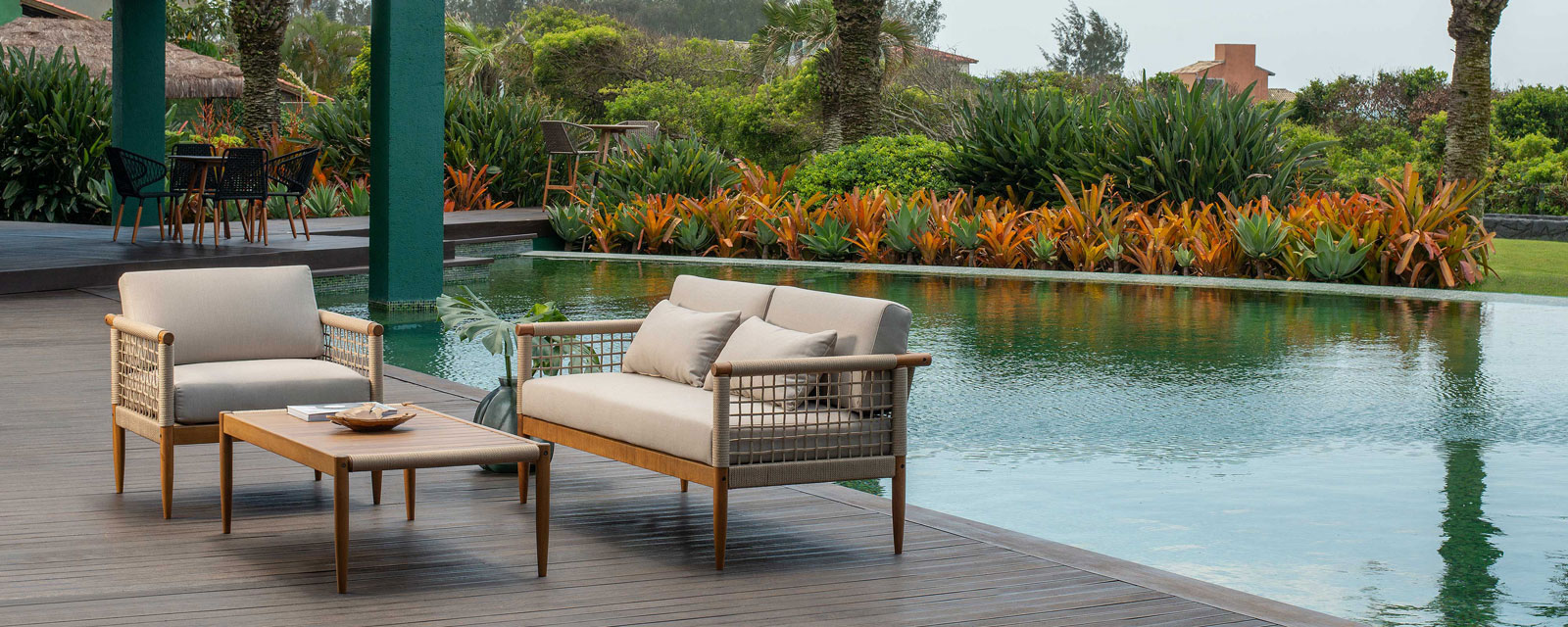
"Brazilian furniture" means very different things depending on who is typing it. To a designer it calls up solid wood and mid-century heritage. To a procurement lead it should call up something else entirely: a large, capable industry that most of their competitors have not yet figured out how to source from. This guide is written for the second reader, the international buyer in the United States, Canada, Europe, the Gulf, or Latin America who wants to understand what Brazil actually offers and how to buy from it without getting burned. It is a map, and it points to the deeper guides where each subject is covered in full.
Brazil, in furniture, at a glance
Start with scale, because it corrects the biggest misconception. Brazil is the sixth-largest furniture producer in the world, and in 2024 its furniture and mattress industry sold more than USD 760 million in finished goods abroad, reaching over one hundred countries, according to ABIMÓVEL, the national furniture manufacturers association. Its manufacturing clusters employ more than three hundred thousand people. This is not a boutique craft scene. It is a deep industrial base with decades of history and a domestic market large enough to have made it sophisticated. Wood leads the material mix by a wide margin, followed by metal in the commercial, contract, and outdoor segments, and Brazil carries the full chain in-country: certified timber, medium-density fiberboard and particleboard mills, and upholstery and component suppliers. A buyer is not sourcing a final-assembly operation that has to import its own parts first.
It is also, unusually, self-sufficient in raw material. Brazil runs one of the world's largest planted-forest programs, in eucalyptus and pine, which has expanded the availability of certified timber dramatically over the past two decades. Wood is by far the dominant material in Brazilian furniture, and FSC certification is increasingly the way serious producers signal legality and quality to buyers overseas. If you want the full argument for the country rather than the summary, we make it in why global buyers are sourcing furniture from Brazil.
Why buyers are turning to Brazil now
The timing is not an accident. For years, furniture sourcing was a search for the lowest tariff and the lowest wage. That era is closing. There is effectively no low-tariff country left, and sourcing decisions now turn on compliance, supply chain resilience, and whether a country actually makes your category well. Brazil earns its place on those terms, not on being the cheapest room in the house.
For buyers in the Americas there is a nearshoring logic on top of that: shorter distances, closer time zones, and a supply base in the same hemisphere. We cover the shift in nearshoring furniture production to Latin America, and what the recent 25 percent tariff on Brazilian goods does and does not change for the case. For a clear-eyed cost comparison, the real cost of manufacturing furniture in Brazil versus Asia is the honest version, and Brazil versus Vietnam weighs the two alternatives buyers ask about most.
What Brazil is genuinely good at
No country is good at everything, and pretending otherwise is how buyers get hurt. Brazil's core strength is real solid wood, in species and volumes few origins can match, backed by that planted-forest base and a woodworking tradition that runs generations deep. If solid wood is your category, start with sourcing solid wood furniture from Santa Catarina and our guide to Brazilian solid wood furniture.
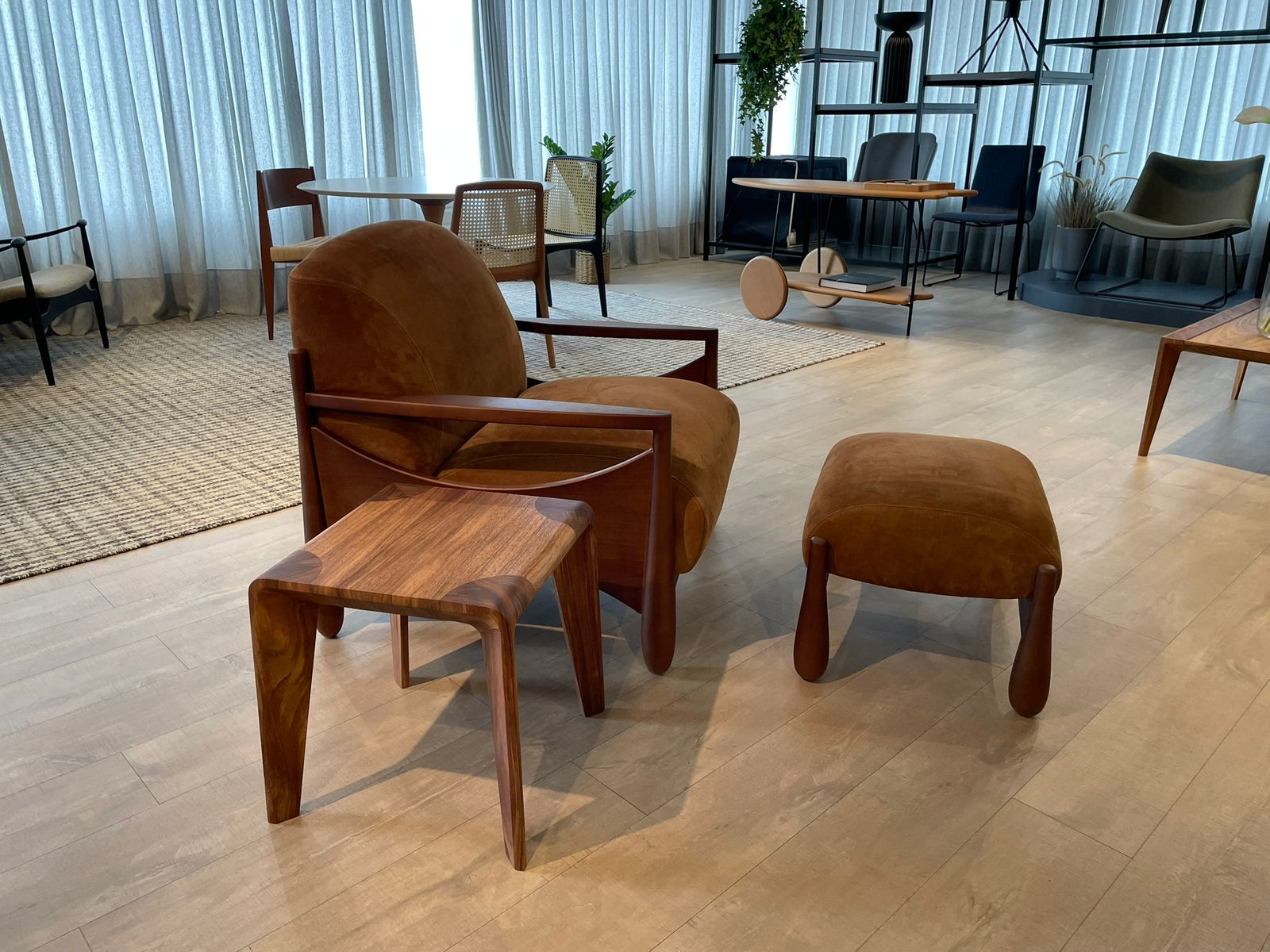
The industrial side is strong too. High-volume panel and case-good production, upholstered seating, outdoor furniture, and a mature contract and office segment all exist at scale. Office and hospitality each carry their own standards and their own right factories, and each deserves its own reading rather than a generic supplier list, which is why we treat the Brazil office furniture market and hospitality contract furniture separately. And when a buyer needs product built to their own brand rather than pulled from a catalogue, that is a distinct capability, covered in private label and collection development. Taking an order and developing a collection are not the same thing, and the difference decides how a program turns out.
Brazilian furniture and design
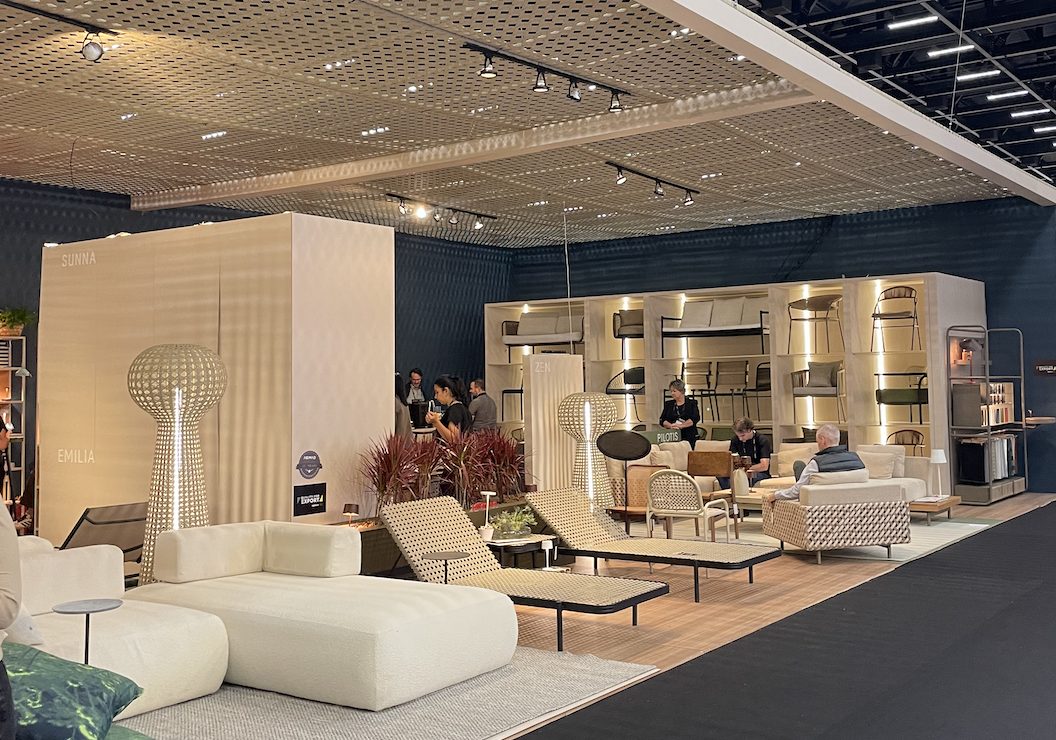
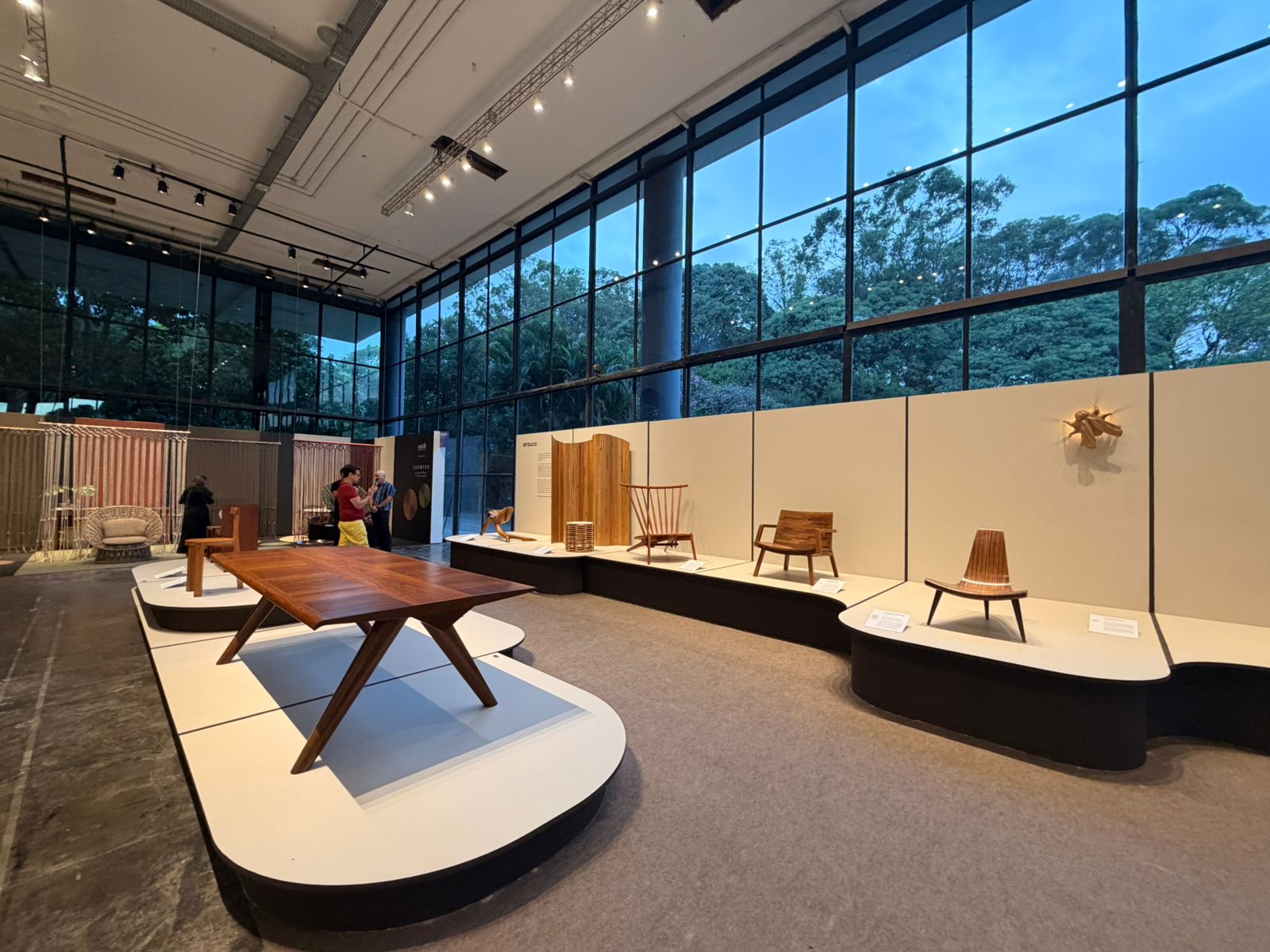
Brazil is not only a manufacturing base, it is a design culture. Its mid-century modern movement gave Brazilian furniture a lasting global reputation for organic form and honest use of wood, and that lineage still runs through contemporary studios and factories today. For a buyer this matters in two practical ways. It means the design knowledge to develop original product, rather than reproduce a reference, genuinely exists in the supply base. And it means authorship and intellectual property have to be handled with care, because the line between inspiration and copying is one a serious buyer does not want to cross. We look at the authored side of the market in sourcing design furniture from Brazil, and at where design meets industry in our piece on SP-Arte.
Where furniture is made in Brazil
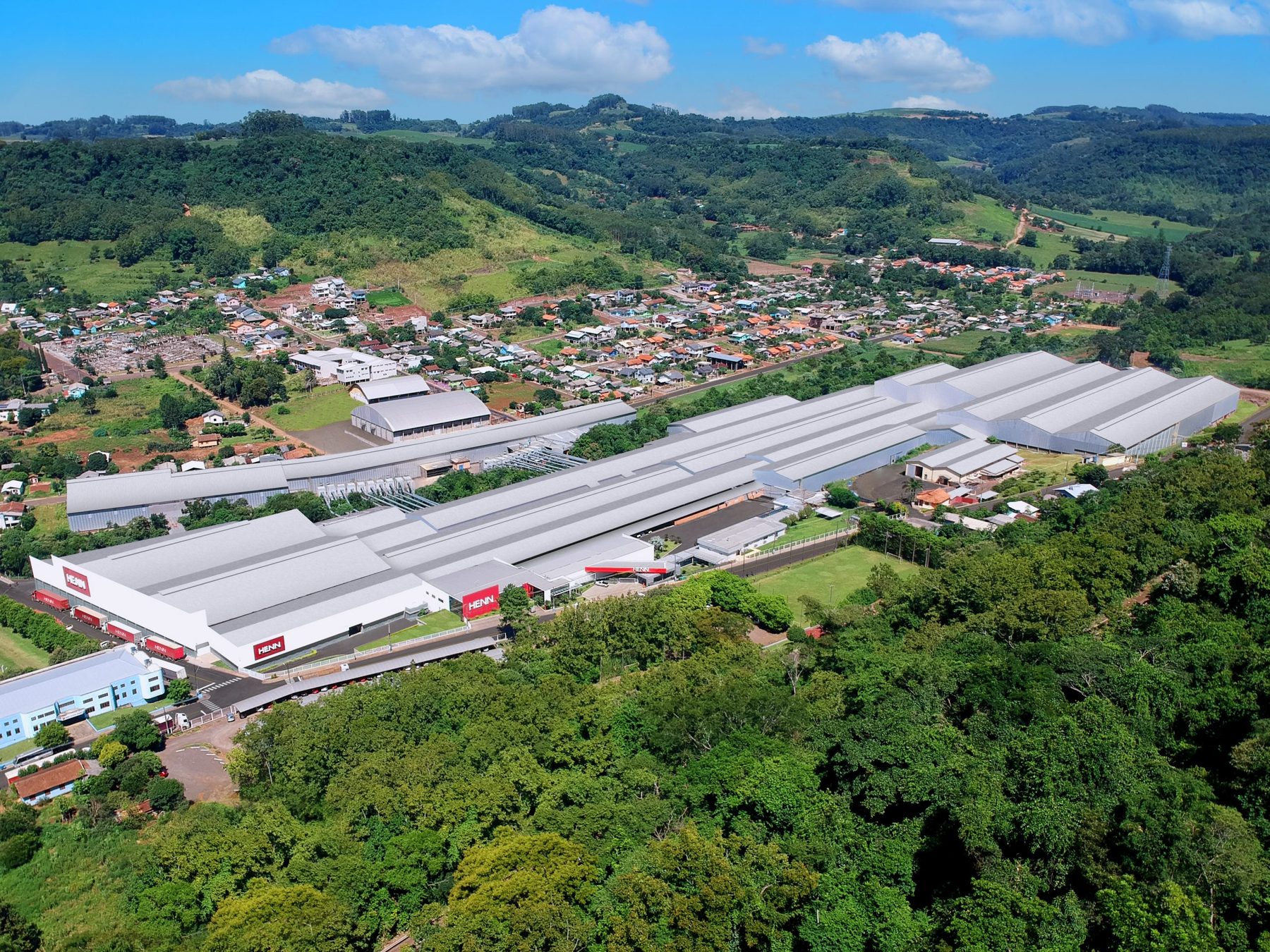
Brazilian furniture is not made everywhere. It is clustered, and knowing the map shortens the search dramatically. São Bento do Sul, in Santa Catarina, is the historic solid-wood cluster and accounts for roughly forty percent of the furniture Brazil ships abroad. Bento Gonçalves and the wider Serra Gaúcha, in Rio Grande do Sul, form the largest cluster, strong in panels and wood and selling to more than a hundred countries. Arapongas, in Paraná, concentrates high-volume finished goods. Ubá in Minas Gerais and the interior of São Paulo round out the picture, each with its own specialties.
Each cluster has a personality, and matching your product to the right one is the difference between a factory that is stretching to make your item and one that makes it every day. We break the geography down in Brazil's furniture manufacturing regions explained.
What you have to verify before you buy
This is where sourcing from Brazil, or anywhere, is won or lost. Furniture crossing into the United States or the European Union carries real regulatory weight: formaldehyde limits on composite wood, timber-legality rules, and deforestation requirements, each with its own documentation and each placing the burden on you, the importer, not the factory. We cover the whole stack in furniture compliance for the US and EU, and it is worth reading before you shortlist rather than after, because a factory's ability to produce this paperwork cleanly is itself a test of whether it is a serious partner or a hopeful one.
Compliance is only half of it. The factory itself has to be qualified: real capacity, consistency across a full production run and not just the sample it sent, and the specific standards your category demands. That discipline is the subject of how to vet a furniture factory, and it is the single highest-leverage thing a buyer can get right. Where a buyer wants that verification done independently, a factory audit and pre-shipment inspection are the two instruments that carry it.
How sourcing from Brazil actually works
Here is the part that surprises people, and it is the most important idea in this guide. The Brazilian furniture names you can find from abroad, the large branded manufacturers, are usually not your suppliers. They sell their own label, mostly at home, through their own showrooms and dealers. The factories that can build a program to your specification sit one layer down. They are genuinely capable and nearly invisible from outside the country, with no English-language sales desk and no reason to appear in a search from New York, London, or Dubai.
That gap, between real capacity and near-zero visibility, is the whole opportunity and the whole risk. Our playbook for importing furniture from Brazil walks the process end to end, and our directory of the best Brazilian furniture manufacturers is where a shortlist begins. If you are weighing who should run that search for you, what a sourcing agent actually does and how an agent differs from a trading company are the two pieces to read first. A factory you cannot see is a factory you cannot judge, and closing that distance safely is the entire job.
How Vista fits
Vista Furniture Co. is a buyer-side sourcing consultancy. We work for the buyer, never the factory, and we do two things with equal weight. We find and qualify the right Brazilian factories for your program, including the ones you cannot reach from abroad, and we assess the risk against the compliance and quality standards above before you commit. And we help develop and adapt the collection to your market, your standards, and your price point, drawing on more than twenty years designing, curating, and building furniture in Brazil.
You decide with better information, and you buy directly from the supplier you select, with no factory commissions and no conflict of interest. We do not become your agent, your inspector, or your negotiator, and we do not resell factory access as intelligence. We bring judgment and access, and we coordinate the specialists a program needs.

The short version
Brazilian furniture is a large, capable, wood-rich industry that most international buyers have not yet learned to source from. The opportunity is real, and so is the risk, and both come down to the same sentence: choose the right factory, and verify it, before the first order. Everything else in this guide is detail underneath that one line.
Talk to us before your first order.
Matheus Ximenes Pinho is the founder and managing director of Vista Furniture Co. He has spent more than twenty years in home and décor, fourteen of them in the Brazilian furniture industry, working across product design, manufacturing, and digital retail. He advises international retailers, brands, hotel groups, and developers on sourcing furniture in Brazil with less risk and better decisions.
Vista Furniture Co. is a buyer-side furniture sourcing consultancy founded by veterans of Brazil's furniture and home industry. We work with global retailers, brands, and hospitality buyers in two ways: qualifying suppliers and reducing risk before the first order, and developing collections built for the buyer's market. We are buyer-paid and independent. You buy directly from the supplier you select. Talk to us before your next order.
