Third Party Inspection Furniture Brazil: How Independent Is It Really
Written by Matheus Ximenes Pinho, founder and managing director of Vista Furniture Co.
Vista Furniture Co. is an independent sourcing consultancy in São Paulo. We work for furniture buyers, never for factories.
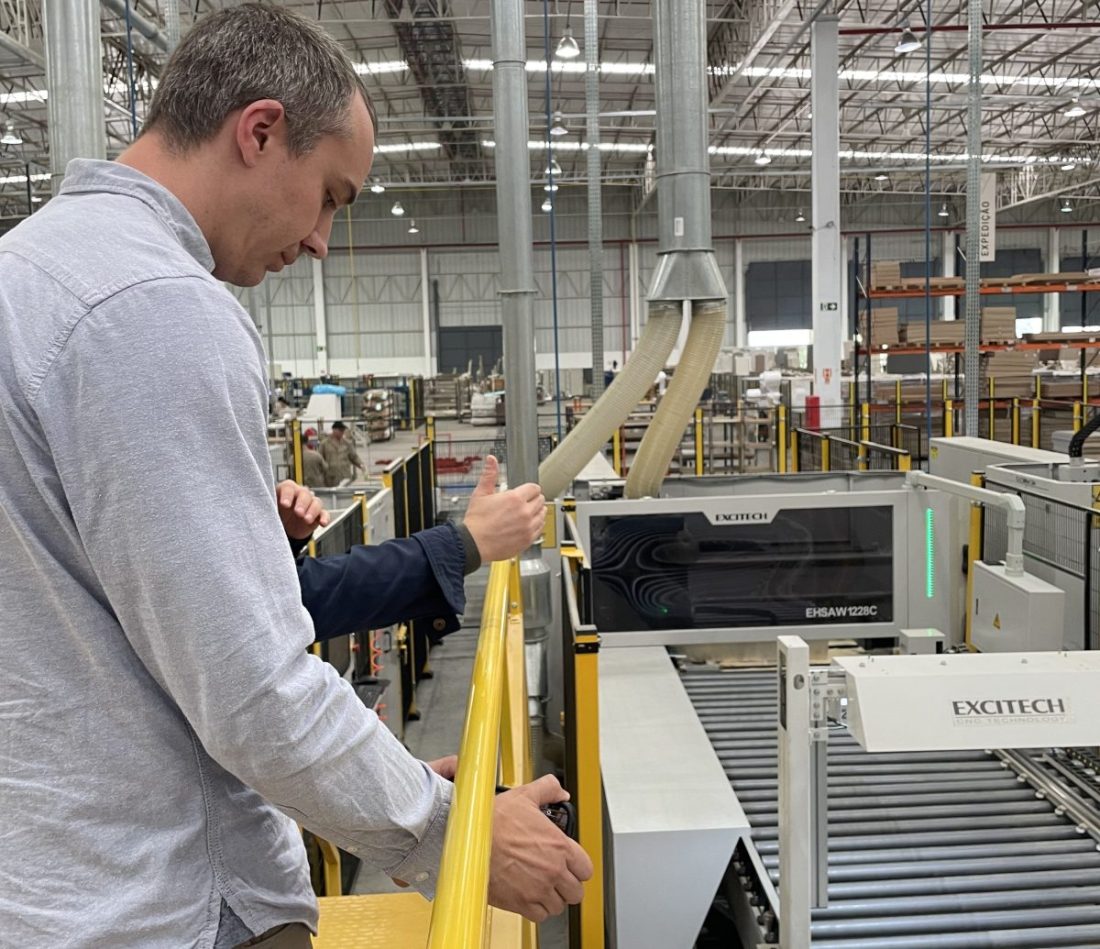
Buyers ask for third party inspection furniture Brazil factories will accept precisely because the word "third party" is supposed to mean independent, someone with no stake in whether the shipment passes. That word is doing more work than most buyers realize, and it is not always true. There is an actual technical standard that defines how independent an inspection body really is, most inspection reports never mention it, and the gap between a genuinely independent inspector and one with an undisclosed relationship to the factory can be the difference between a report you can trust and one you cannot. This gap matters most exactly when a buyer is least equipped to catch it, on a first order, through a new relationship, with no history of their own to weigh the report against. This guide covers what "third party" is supposed to mean, how to check whether a specific inspector actually qualifies, and what to ask before you rely on a report.
What "third party" is supposed to mean
The logic behind third party inspection is straightforward. A factory inspecting its own goods has an obvious reason to find everything acceptable. A buyer inspecting alone lacks the destination-market expertise, or simply the ability, to be present at a factory on the other side of the world for every shipment. A genuinely independent third party sits outside both interests, with no stake in whether the shipment passes or fails, delivering a verdict based on the goods in front of them rather than on who is paying the bill or which relationship needs protecting.
That is the theory, and it holds up well when the inspection body is actually structured to be independent. The complication is that nothing stops an inspection provider from calling itself "third party" while carrying real, undisclosed ties to a factory, a trading company, or an agent with a financial interest in the outcome. The label describes an intention, not a guarantee.
The standard almost no buyer has heard of
There is a formal way to measure genuine independence, and it rarely comes up outside technical procurement circles. Inspection bodies are classified under international conformity assessment standards into categories based on how separate they are from the parties involved. A body with any ownership stake, design involvement, or commercial relationship with the manufacturer whose goods it inspects does not meet the bar for genuine third-party status, regardless of what it calls itself. A reputable, fully independent inspection provider should be able to state plainly that it has no business relationship with the factories it inspects, no ownership stake, and no commission tied to a passing result.
Very few furniture buyers ever ask an inspection provider whether they meet this bar, and very few providers volunteer the answer unprompted. Asking the direct question, do you have any financial or ownership relationship with this factory, is a fair and reasonable thing to ask before you rely on a report, and a provider who is genuinely independent will answer without hesitation.
Where independence quietly breaks down in practice
A few patterns are worth watching for specifically when sourcing furniture from Brazil, where the pool of local inspection providers is smaller than in more heavily trafficked manufacturing markets and personal relationships carry more weight. In a thinner market, the same handful of people tend to know each other, work with the same few factories repeatedly, and move between roles, sourcing agent one month, inspector the next, in ways that would be less common in a larger, more saturated sourcing hub. None of that makes independence impossible in Brazil. It makes it worth confirming explicitly rather than assuming.
- The inspector was recommended by the factory. A factory suggesting "a good inspector we've worked with before" is, functionally, choosing its own referee. It is not automatically dishonest, but it removes the independence the word "third party" is supposed to guarantee.
- The inspector is also the sourcing agent. When the same person or firm found you the factory, negotiated the price, and now inspects the goods, their incentive to declare the shipment acceptable is not separate from their incentive to close the deal. This is common, more common than most buyers assume, and it is worth naming plainly rather than assuming the roles are cleanly separated just because two different service names appear on an invoice.
- The provider will not disclose their relationship history with a specific factory. A genuinely independent provider can tell you, factually, whether they have an ongoing commercial relationship with a given manufacturer. Reluctance to answer is itself an answer.
- The report language is vague where it should be specific. "Overall acceptable" without supporting data, defect counts, or photographic evidence reads like a favor, not a technical finding. A genuinely independent report, by contrast, tends to include the kind of granular, evidence-backed detail that reputable inspection providers describe as standard practice, and its absence is worth noticing on its own.
Why this matters more for a first order
For a repeat order with a factory you already trust and have verified independently, a less formal inspection arrangement carries less risk, because you already have your own history with the supplier to weigh the report against. For a first order, and especially a first order sourced through a Brazilian factory found via an agent or an introduction, the inspection report is often the only independent data point a buyer has. That is precisely the moment genuine independence matters most, and precisely the moment buyers are least likely to check for it, because the whole relationship is new and every party involved has an incentive to make the transaction feel smooth.
How this connects to the rest of the sourcing decision
Inspection independence is one piece of a larger pattern that runs through Brazilian furniture sourcing. The same incentive question applies to whoever found you the factory in the first place, covered in our look at furniture sourcing agents, and it applies to the inspection schedule itself, covered in our guide to quality control as a program rather than a single check. A genuinely independent inspector checking goods from a poorly qualified factory still leaves you exposed, because inspection catches defects in a specific batch. It does not replace the earlier work of choosing the right factory, covered in how to vet a furniture factory.
What a trustworthy report should include
A genuinely independent inspection report reads differently from a favor dressed up as one. It should include specific defect counts against a stated sampling standard, not a vague summary. It should include photographic evidence of what was actually checked, not a written description alone. It should state clearly what was and was not inspected, since a report covering only visual appearance and skipping structural or functional checks is telling you less than its length suggests. And it should come from a provider willing to state their independence explicitly, in writing, rather than relying on the word "third party" to do that work on its own.
Accreditation is a weaker signal than buyers assume
Buyers often reach for a certification, ISO 9001, or a recognized accreditation body, as a shortcut for trustworthiness, and it is worth understanding what that actually confirms and what it does not. A quality management certification tells you an inspection provider follows a documented process. It does not, by itself, confirm that the specific inspector on your specific job has no relationship with your specific factory. Accreditation and independence are related questions, and they are not the same question. A provider can be properly accredited on paper and still have an undisclosed commercial tie to a factory it regularly inspects. Asking about accreditation is worth doing. Treating it as a substitute for asking about independence directly is not, and a buyer who has only ever checked for a certification logo has not actually confirmed that the third party inspection furniture Brazil factory produced was inspected by someone with no stake in the outcome.
Questions to ask before you trust a report
- Do you have any ownership, financial, or ongoing commercial relationship with this specific factory?
- Were you recommended by the factory, the agent, or an independent source?
- What sampling standard and defect classification did you apply, and can I see the underlying data, not just the summary?
- Does your report include photographic evidence, or only a written conclusion?
- Who is paying you, and does that payment depend in any way on the outcome of the inspection?
A provider who answers plainly and in writing has nothing to hide. One who deflects, even politely, is worth a second look before you rely on their verdict for a meaningful order, and the size of the order at stake should raise, not lower, how carefully that answer gets checked.
How Vista approaches inspection independence
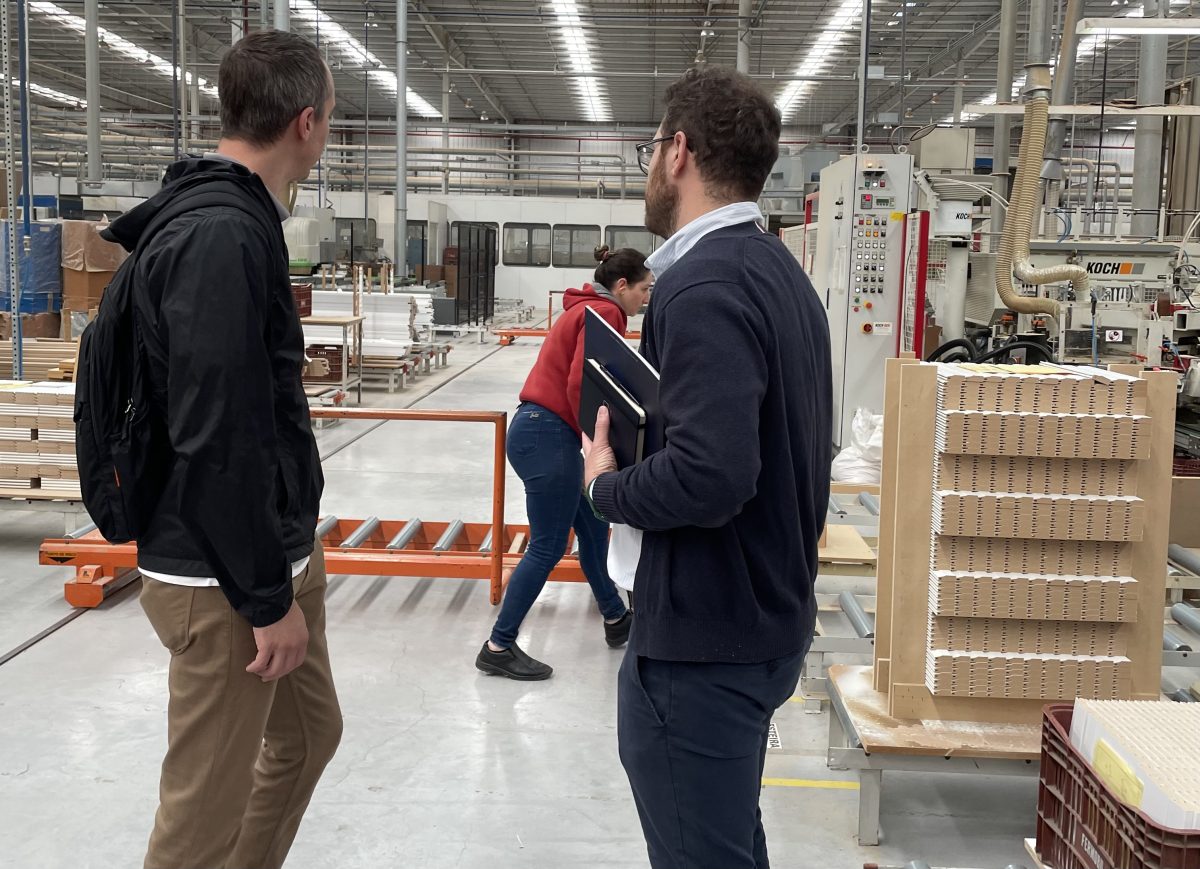
Vista Furniture Co. is a buyer-side sourcing consultancy, and independence is not a marketing word for us, it is the entire structure. We are paid by the buyer only, with no commission tied to order value and no referral fee from any factory, which means our incentive when we walk into a factory is identical every time: tell you what is actually true, whether or not that is what you were hoping to hear. We do not recommend factories we have a financial relationship with, and we do not soften a finding to protect an introduction we made ourselves.
Where we differ from a standalone inspection provider is context rather than independence alone. We are already involved in qualifying the factory before an order exists, so an inspection we conduct or coordinate is checking a supplier we already understand in depth, not a stranger seen for the first time on inspection day. That combination, structural independence plus prior familiarity with the factory's real capability, is different from hiring a one-time inspection provider with no history on either side of the relationship.
If you are relying on an inspection report from another provider, that structure of incentives is worth checking before the order, not after a shipment arrives short of what was promised. Genuine independence is simple to describe and surprisingly rare to find fully disclosed, and asking directly is the fastest way to find out which you are actually getting.
The short version
Third party inspection furniture Brazil buyers rely on is only as good as the independence behind it, and "third party" is a description, not a guarantee. An inspector recommended by the factory, doubling as your sourcing agent, or unwilling to disclose a commercial relationship is not delivering the independent verdict the term implies. Before you trust a report on a meaningful order, ask the provider directly whether they have any financial or ownership relationship with the factory in question, and treat hesitation, however polite, as an answer in itself.
Talk to us before your first order.
Matheus Ximenes Pinho is the founder and managing director of Vista Furniture Co. He has spent more than twenty years in home and décor, fourteen of them in the Brazilian furniture industry, working across product design, manufacturing, and digital retail. He advises international retailers, brands, hotel groups, and developers on sourcing furniture in Brazil with less risk and better decisions.
Vista Furniture Co. is a buyer-side furniture sourcing consultancy founded by veterans of Brazil's furniture and home industry. We work with global retailers, brands, and hospitality buyers in two ways: qualifying suppliers and reducing risk before the first order, and developing collections built for the buyer's market. We are buyer-paid and independent. You buy directly from the supplier you select. Talk to us before your next order.
