Bento Gonçalves: Brazil's Largest Furniture Manufacturing Cluster
Written by Matheus Ximenes Pinho, founder and managing director of Vista Furniture Co.
Vista Furniture Co. is an independent sourcing consultancy in São Paulo. We work for furniture buyers, never for factories.
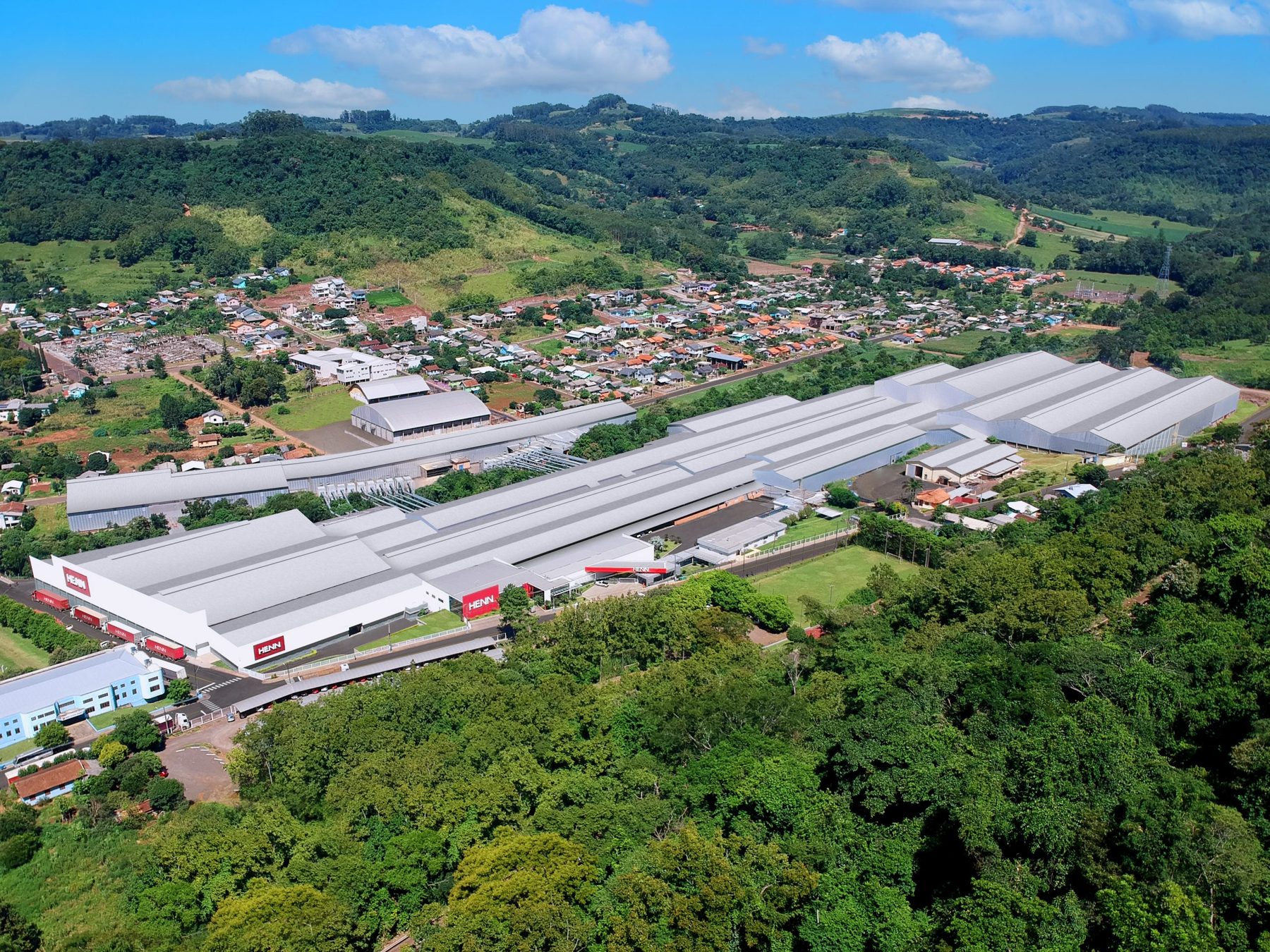
If a buyer sources one piece of furniture from Brazil, there is a strong chance it came from within an hour of Bento Gonçalves. This single city in the hills of Rio Grande do Sul anchors Brazil's largest furniture manufacturing cluster, and for a buyer trying to understand where Brazilian furniture actually gets made, it is the single most important place to know. This guide to the Bento Gonçalves furniture cluster covers what it is, why it became Brazil's furniture capital, what it is genuinely strong at, and what a buyer should know before sourcing from it.
The scale of the cluster
Bento Gonçalves is home to more than three hundred furniture manufacturing companies, selling to more than forty countries, and it anchors what industry analysts consistently identify as the largest furniture manufacturing cluster in Brazil, part of the broader Serra Gaúcha region that also includes Caxias do Sul, Farroupilha, and Garibaldi. The South region, anchored by this cluster, accounts for a substantial share of national furniture output, and the concentration is significant enough that market analysts flag it as a genuine supply consideration: so much of Brazil's finished furniture output is concentrated in Bento Gonçalves and the Arapongas cluster in Paraná that regional disruption in either location carries outsized weight for the country's furniture supply chain as a whole.
To put the scale in perspective, eighteen thousand active registered companies of all kinds operate in the municipality today, a figure that reflects an economy built substantially around industrial manufacturing and its supporting businesses rather than a small craft town that happens to have a few well-known furniture names attached to it.
The scale did not appear recently. The region's furniture industry began developing in earnest at the end of the 1960s, building on a base of Italian immigrant craftsmanship that had been present in the area for nearly a century by that point.
How an Italian immigrant colony became a furniture capital
Bento Gonçalves was founded in 1875 by families arriving from northern Italy, originally as the Dona Isabel colony, and the Veneto influence is still audible in the city's accent today, in the everyday speech of families whose ancestors arrived in the region well over a century ago. That immigrant heritage produced two industries that scaled to national significance from the same cultural base: wine, which earned the city legal recognition as Brazil's National Wine Capital, and furniture, built on the same tradition of skilled woodworking and craft discipline the original settlers brought with them. Few Brazilian municipalities carry two nationally recognized industries at once, and fewer still have translated that heritage into genuine international reach, with furniture designed and built in Bento Gonçalves now reaching more than forty countries.
The city sits roughly 120 kilometers from Porto Alegre, connected by direct road routes to the state capital and to the major cities of the South and Southeast, a positioning advantage that mattered as the cluster scaled from local craft production to an internationally oriented industrial base capable of serving buyers well beyond the region itself.
What the cluster is genuinely strong at
Bento Gonçalves and the wider Serra Gaúcha region built their reputation on solid wood furniture, and that remains the cluster's defining strength. Buyers researching where to source authentic, well-constructed wood furniture in Brazil consistently point to this region for solid wood furniture, wine racks, and artisanal pieces with genuine design value, distinct from the flat-pack specialization of São Bento do Sul or the upholstered volume production centered in Arapongas. This is not a coincidence of geography. Generations of woodworking craft, combined with proximity to the certified timber supply that Brazil's planted-forest program has expanded significantly over the past two decades, gave the cluster a natural specialization in exactly the category, real solid wood construction, that most differentiates Brazilian furniture internationally. Our sourcing guide to Brazilian furniture sets that strength in the context of the whole industry.
The industrial base has also modernized considerably beyond artisanal roots. Manufacturers in the region were early adopters of engineered wood products like MDF as production scaled, and the cluster now combines that craft heritage with real industrial capacity: certified timber suppliers, panel mills, and upholstery component suppliers integrated within the same regional supply chain, rather than a collection of small workshops each sourcing materials independently. That integration is itself a meaningful advantage for a buyer, since a factory drawing on a mature, regionally integrated supply base tends to face fewer material bottlenecks and shorter lead times than one operating in a thinner, less developed manufacturing region. FSC certification is increasingly positioned by producers in the region as a differentiator for international buyers rather than simply a domestic compliance requirement, a signal of a cluster maturing toward the documentation and traceability international buyers increasingly expect.
The categories where that strength shows most directly are the wood-led rooms of a home: our guides to sourcing dining room furniture from Brazil and sourcing bedroom furniture from Brazil both lead back to this region more often than to any other.
Why Bento Gonçalves is the center of Brazil's furniture trade calendar
The cluster's importance is not just about factory count, it is institutional. Bento Gonçalves hosts Movelsul Brasil, described by its own organizers as the most internationalized furniture fair in the country, drawing companies specifically to meet international buyers face to face. That a single city hosts both the country's largest manufacturing base and its most internationally oriented trade fair is not a coincidence. It reflects a cluster that has organized itself, over decades, specifically around the international buyer relationship, in a way most of Brazil's other furniture regions have not to the same degree. We cover the fair itself, including timing and how to prepare for it as a buyer, in our guide to Movelsul Brasil.
A cluster that serves more than one kind of buyer
The scale of Bento Gonçalves can obscure how differentiated the cluster actually is internally. Alongside the larger industrial manufacturers, the region supports smaller, design-oriented workshops capable of the kind of custom and semi-custom work a designer or a boutique brand needs, work that requires genuine craft skill rather than high-volume tooling. That range, from industrial-scale production capable of a large retail order to boutique workshops capable of a single, precisely specified commission, is part of what makes the cluster valuable to more than one type of buyer. A buyer furnishing a large hospitality program and a designer commissioning a single custom piece can both find the right fit within the same region, provided they are matched to the right factory within it rather than treated as needing the same kind of supplier. For designers specifically, our guide to furniture sourcing consultant for interior designers covers the qualification questions that matter for exactly this kind of custom work, many of which apply directly to smaller Bento Gonçalves workshops as much as to any other part of the country.
What a buyer should verify before sourcing from the cluster
Scale and reputation are not the same as a guarantee. Three hundred companies in one region is not three hundred equally capable options for any given buyer's specific product and volume, and the same qualification discipline that applies anywhere in Brazil applies here, arguably with an added wrinkle: a well-known cluster can create a false sense of security, where a buyer assumes any factory bearing the Bento Gonçalves name inherits the reputation of the region as a whole.
- Production history versus verbal capacity claims. A factory's real, documented output history is what confirms whether its stated capacity is genuine, not a general reference to being located in a well-known cluster.
- Species and construction fit for the specific product. The cluster's strength in solid wood does not mean every factory in it is the right fit for every wood product, and matching a specific factory's actual specialization to a buyer's brief still requires the same verification as anywhere else.
- Destination documentation and compliance readiness. Despite the cluster's international orientation, not every factory within it has equal experience with the specific compliance requirements of a given destination market, covered in our guide to furniture compliance for the US and EU.
- In-person verification rather than reputation alone. The cluster's scale and history are real advantages, and they are not a substitute for the same factory-level verification any Brazilian supplier requires, covered in how to vet a furniture factory and documented through a factory audit.
Bento Gonçalves versus Brazil's other clusters
For a buyer weighing where in Brazil to source, the cluster comparison matters more than treating "Brazil" as one undifferentiated origin. Bento Gonçalves leads in solid wood, artisanal-quality construction, and design-forward pieces. São Bento do Sul, in Santa Catarina, is the country's global leader in flat-pack and ready-to-assemble furniture, built for scalable, standardized international production. Arapongas, in Paraná, concentrates upholstered furniture and high-volume production serving major retailers. A buyer whose product is a solid wood dining collection is generally better served starting in Bento Gonçalves than in a cluster built around flat-pack scale, and the reverse is equally true for a buyer needing RTA volume production. Our broader guide to Brazil's furniture manufacturing regions covers the full map, and this piece is the deeper look at the single most significant region on it.
How Vista works within the cluster
Vista Furniture Co. is a buyer-side sourcing consultancy, and Bento Gonçalves is a region we know at the factory level, not just the cluster level. We identify and qualify manufacturers within the cluster against a buyer's specific product, volume, and standards, verify capability and construction in person, and help distinguish between the factories whose reputation is earned and the ones simply benefiting from the region's collective name. We are paid by the buyer only, with no commission tied to order value, which matters as much when navigating a cluster this size as it does anywhere else in the country.
Knowing the region also means knowing where within it a specific product belongs. A large industrial manufacturer well suited to a retail-scale order is not automatically the right fit for a boutique brand's small first run, and a design-oriented workshop capable of exceptional custom work is not automatically equipped to hold a specification consistently across a multi-hundred-unit hospitality program. Matching the right factory profile within the cluster to a buyer's actual program, rather than treating every Bento Gonçalves manufacturer as interchangeable, is where local, factory-level knowledge pays for itself.
If Bento Gonçalves is where your product should be sourced, the region's scale is an advantage. It is also exactly the kind of scale where independent, factory-level verification matters most, because the number of options makes choosing well harder, not easier.
The short version
The Bento Gonçalves furniture cluster is Brazil's largest, built over more than a century from Italian immigrant woodworking tradition into an internationally oriented industrial base of over three hundred companies reaching more than forty countries. Its genuine strength is solid wood construction, and its institutional weight, anchored by hosting Brazil's most internationalized furniture fair, reflects decades of orientation toward international buyers specifically. That scale and reputation are real advantages for a buyer, and they still require the same factory-level verification any Brazilian sourcing decision demands, because a cluster's collective reputation is not a substitute for knowing which specific factory actually deserves an order.
Talk to us before your first order.
Matheus Ximenes Pinho is the founder and managing director of Vista Furniture Co. He has spent more than twenty years in home and décor, fourteen of them in the Brazilian furniture industry, working across product design, manufacturing, and digital retail. He advises international retailers, brands, hotel groups, and developers on sourcing furniture in Brazil with less risk and better decisions.
Vista Furniture Co. is a buyer-side furniture sourcing consultancy founded by veterans of Brazil's furniture and home industry. We work with global retailers, brands, and hospitality buyers in two ways: qualifying suppliers and reducing risk before the first order, and developing collections built for the buyer's market. We are buyer-paid and independent. You buy directly from the supplier you select. Talk to us before your next order.
